English
 русский
 Español

What Makes a Soft Bristles Toothbrush Effective for Stain Removal?
Content
- 1 How Soft Bristles Remove Stains Effectively
- 2 Benefits for Gum Health and Enamel Protection
- 3 Bristle Design and Material Technology
- 4 Toothbrush Head Shape and Size Considerations
- 5 Comparison: Soft Bristles vs. Medium and Hard Bristles
- 6 Role of Toothpaste in Stain Removal Performance
- 7 Daily Brushing Techniques for Better Stain Control
- 8 Suitability for Sensitive Teeth and Gums
- 9 Use with Electric Toothbrush Handles
- 10 Replacement Frequency and Hygiene
- 11 Lifestyle Factors That Influence Tooth Staining
- 12 Long-Term Oral Health and Cosmetic Benefits
- 13 Conclusion: Balancing Stain Removal and Oral Safety
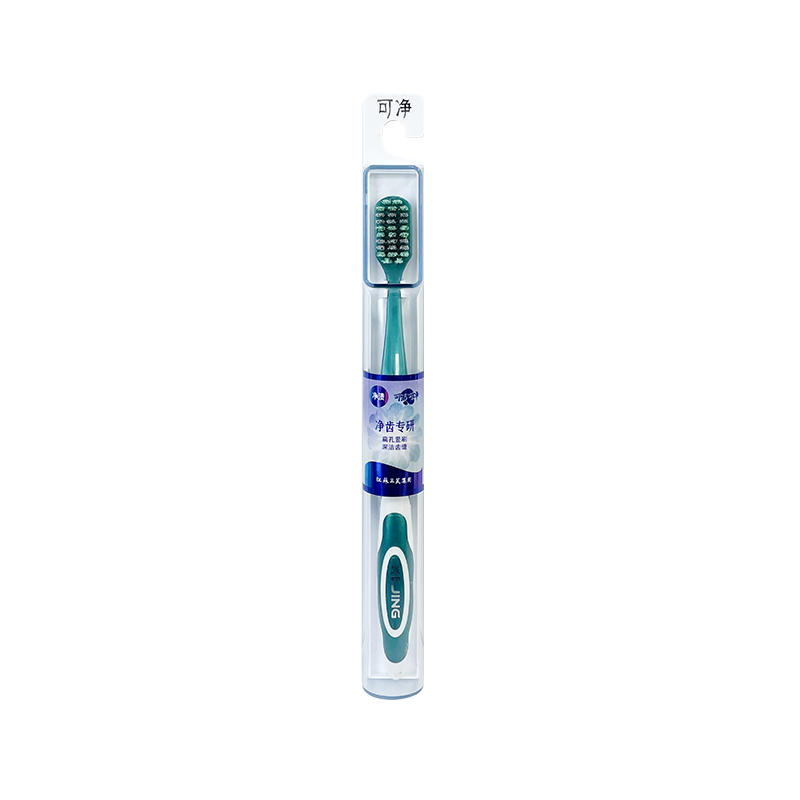
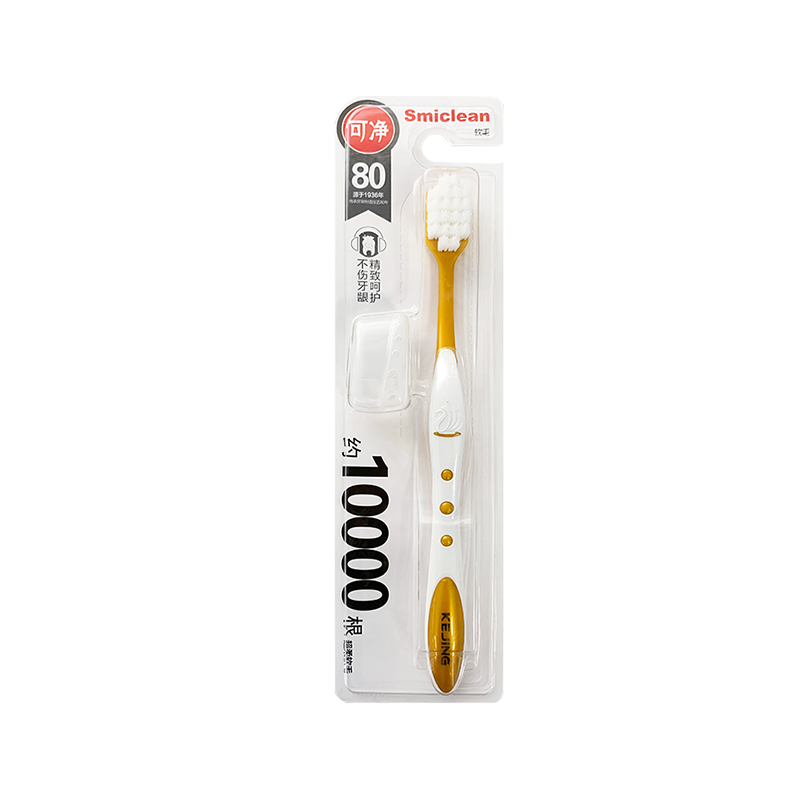
A soft bristles stain removal toothbrush is specifically designed to gently remove surface stains from teeth while protecting enamel and sensitive gums. Unlike hard or medium bristles, soft bristles are flexible and fine, allowing them to reach plaque and stain-prone areas without causing abrasion. This makes them ideal for daily use, especially for individuals concerned about gum recession, enamel wear, or tooth sensitivity.
Modern stain removal toothbrushes combine soft filament technology with specialized head designs to improve cleaning efficiency. These toothbrushes focus on removing common lifestyle stains caused by coffee, tea, wine, smoking, and certain foods, while maintaining a gentle brushing experience suitable for long-term oral health.
How Soft Bristles Remove Stains Effectively
Soft bristles remove stains primarily by disrupting and lifting surface discoloration rather than aggressively scrubbing enamel. Their flexibility allows them to conform to the tooth surface and penetrate into small grooves, pits, and along the gumline where stains and plaque tend to accumulate.
Mechanical Action on Surface Stains
Surface stains are typically external and caused by pigmented substances bonding to the enamel pellicle. Soft bristles gently agitate this layer, helping toothpaste abrasives and cleaning agents break down stain particles without damaging the enamel structure.
Access to Hard-to-Reach Areas
Fine, tapered soft bristles can reach between teeth, around orthodontic appliances, and along the gum margin more effectively than stiff bristles. This improves overall stain control and plaque removal in areas where discoloration often begins.
Benefits for Gum Health and Enamel Protection
One of the main advantages of a soft bristles stain removal toothbrush is its ability to clean effectively while minimizing trauma to gums and enamel. Over time, aggressive brushing with hard bristles can lead to gum recession and enamel erosion.
Soft bristles help reduce the risk of brushing-related damage by distributing pressure more evenly across the tooth surface. This makes them especially suitable for people with sensitive gums, gingivitis, or a history of enamel wear.
Bristle Design and Material Technology
Not all soft bristles are the same. Advances in filament materials and manufacturing techniques have led to specialized bristle designs that enhance stain removal while maintaining softness.
Tapered and Polished Filaments
Many stain removal toothbrushes use tapered bristles with ultra-fine tips. These tips increase surface contact and improve access to interproximal spaces, helping to remove stains and plaque more thoroughly without harsh scrubbing.
Multi-Level Bristle Patterns
Multi-level bristle arrangements combine different lengths and angles to improve coverage. Shorter bristles focus on flat tooth surfaces, while longer bristles reach into gumline and interdental areas, enhancing stain removal across the entire mouth.
Toothbrush Head Shape and Size Considerations
The shape and size of the toothbrush head play a significant role in how effectively stains are removed. A compact head allows better access to molars and tight spaces, while contoured shapes improve surface contact.
Stain removal toothbrushes often feature slim or oval heads to improve maneuverability. This design helps users maintain consistent contact with tooth surfaces, improving cleaning efficiency and reducing missed areas.
Comparison: Soft Bristles vs. Medium and Hard Bristles
Choosing the right bristle hardness is critical for balancing stain removal and oral tissue protection. The table below highlights key differences between soft, medium, and hard bristle toothbrushes.
| Bristle Type | Stain Removal | Gum Safety | Enamel Protection |
| Soft | Good for surface stains | High | High |
| Medium | Moderate to high | Moderate | Moderate |
| Hard | High but aggressive | Low | Low |
Role of Toothpaste in Stain Removal Performance
A soft bristles stain removal toothbrush works best when paired with an appropriate toothpaste. Whitening and stain-control toothpastes typically contain mild abrasives, enzymes, or chemical agents that help break down surface discoloration.
When combined with soft bristles, these formulations enhance stain removal without increasing the risk of enamel abrasion. This balanced approach supports long-term whitening maintenance and oral health.
Daily Brushing Techniques for Better Stain Control
Proper brushing technique is just as important as toothbrush design. Using a soft bristles stain removal toothbrush with correct technique maximizes cleaning effectiveness while minimizing damage.
- Use gentle, circular motions rather than aggressive back-and-forth scrubbing
- Brush for at least two minutes to ensure full-mouth coverage
- Angle the brush at 45 degrees toward the gumline
- Apply light pressure to avoid bending bristles excessively
Consistent technique improves stain control and supports healthier gums over time.
Suitability for Sensitive Teeth and Gums
People with sensitive teeth or gums often avoid stain removal products out of concern for discomfort. Soft bristles stain removal toothbrushes are specifically well suited for this group, as they provide gentle cleaning without excessive abrasion.
By reducing mechanical stress on exposed dentin and inflamed gum tissue, these toothbrushes help maintain comfort while still addressing cosmetic concerns related to tooth discoloration.
Use with Electric Toothbrush Handles
Many soft bristles stain removal toothbrush heads are designed for electric toothbrush systems. Electric toothbrushes provide consistent oscillating or sonic motion, which enhances stain removal while allowing the soft bristles to remain gentle on enamel.
When using an electric toothbrush, soft bristle heads are particularly beneficial because the powered motion reduces the need for manual pressure, further lowering the risk of gum irritation and enamel wear.
Replacement Frequency and Hygiene
To maintain effective stain removal, soft bristles toothbrushes should be replaced regularly. Over time, bristles become frayed and lose their ability to clean efficiently, reducing both stain removal performance and hygiene.
Most dental professionals recommend replacing a toothbrush or brush head every three months, or sooner if bristles show visible wear. Regular replacement ensures consistent cleaning and reduces bacterial buildup on the brush.
Lifestyle Factors That Influence Tooth Staining
Understanding the causes of tooth staining helps users set realistic expectations for what a soft bristles stain removal toothbrush can achieve. Common contributors to staining include dietary habits, tobacco use, and oral hygiene routines.
- Coffee, tea, and red wine consumption
- Smoking and tobacco products
- Highly pigmented foods such as berries and sauces
- Inconsistent brushing and flossing habits
A soft bristles stain removal toothbrush is most effective as part of a comprehensive oral care routine that addresses these contributing factors.
Long-Term Oral Health and Cosmetic Benefits
Consistent use of a soft bristles stain removal toothbrush supports both oral health and cosmetic appearance. By gently removing surface stains, users can maintain a brighter smile while protecting enamel and gums.
Over time, this balanced approach helps prevent gum recession, reduce tooth sensitivity, and preserve natural tooth structure. The result is a healthier mouth and a more confident smile without the risks associated with aggressive brushing or overly abrasive tools.
Conclusion: Balancing Stain Removal and Oral Safety
A soft bristles stain removal toothbrush offers an effective solution for managing everyday surface stains while prioritizing gum health and enamel protection. Its gentle yet efficient design makes it suitable for a wide range of users, including those with sensitive teeth or gums.
By combining advanced bristle technology, proper brushing technique, and compatible toothpaste, users can achieve noticeable stain reduction and long-term oral health benefits. This balanced approach ensures that cosmetic goals are met without compromising the integrity of teeth and gums.

We will provide a professional and reasonable quotation
as soon as possible for any customer inquiries.