English
 русский
 Español

What Are Dental Floss Sticks and Are They Better Than Traditional Floss?
Content
- 1 Key Benefits of Using Dental Floss Sticks Daily
- 2 Dental Floss Sticks vs Traditional String Floss
- 3 Common Materials Used in Dental Floss Sticks
- 4 How to Use Dental Floss Sticks Correctly
- 5 Who Should Use Dental Floss Sticks?
- 6 Environmental Considerations and Disposal
- 7 How to Choose the Right Dental Floss Sticks
- 8 Final Thoughts on Dental Floss Sticks in Oral Care
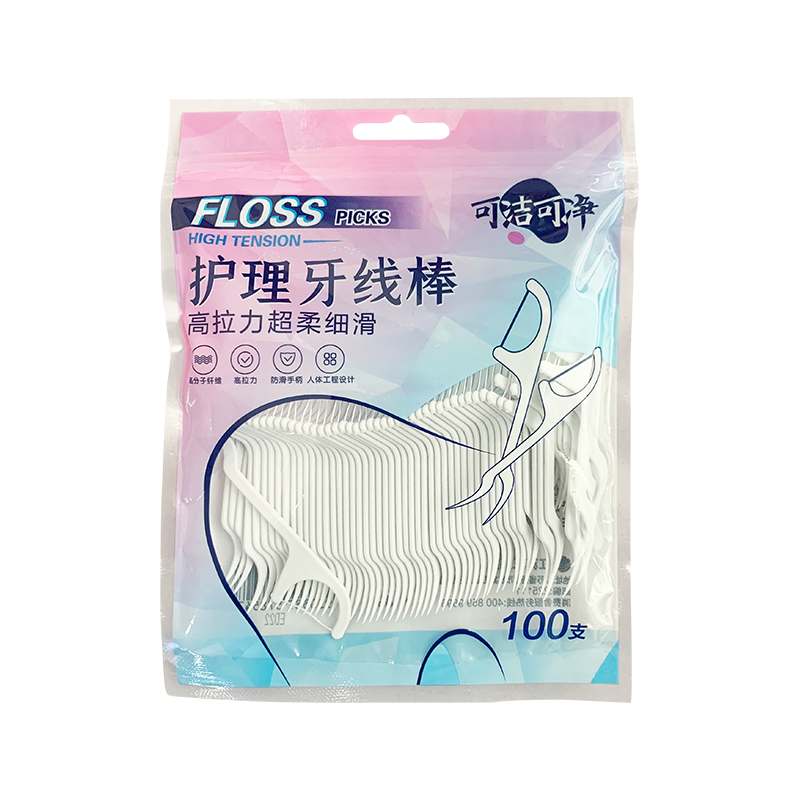
Dental floss sticks are compact oral hygiene tools designed to make interdental cleaning easier and more convenient than traditional string floss. A typical floss stick consists of a short handle with a piece of floss stretched tightly between two prongs, often combined with a toothpick or tongue scraper at the opposite end. This structure allows users to clean between teeth with one hand, improving control and accessibility, especially for back teeth.
Unlike loose dental floss, floss sticks maintain consistent tension during use. This helps remove food debris and plaque from tight spaces without the need to wrap floss around fingers. For people with limited dexterity, braces, or busy lifestyles, dental floss sticks offer a practical alternative that encourages more consistent flossing habits.
Key Benefits of Using Dental Floss Sticks Daily
Using dental floss sticks as part of a daily oral care routine provides several functional and health-related benefits. While they do not replace professional dental cleanings, they play an important role in preventing common oral issues caused by plaque buildup between teeth.
- Improved convenience encourages regular flossing, especially for beginners or children.
- Effective removal of food particles in hard-to-reach areas, including molars.
- Reduced risk of gum inflammation and interdental cavities when used consistently.
- One-handed operation makes flossing easier for people with arthritis or limited mobility.
Because floss sticks are portable and disposable, many users find it easier to floss at work, while traveling, or after meals outside the home. This flexibility significantly increases overall flossing frequency.
Dental Floss Sticks vs Traditional String Floss
Choosing between dental floss sticks and traditional string floss depends on personal habits, oral structure, and comfort preferences. Both options aim to clean between teeth, but they differ in usage method and effectiveness in certain scenarios.
| Feature | Dental Floss Sticks | String Floss |
| Ease of Use | Very easy, one-handed | Requires technique |
| Portability | Highly portable | Moderate |
| Floss Tension | Fixed | Adjustable |
While string floss can adapt better to varying tooth gaps, floss sticks are often preferred for daily maintenance due to their speed and simplicity. Many dental professionals suggest using whichever option ensures consistent flossing.
Common Materials Used in Dental Floss Sticks
Dental floss sticks are made from a combination of handle materials and floss types. Understanding these materials helps users choose products that align with comfort, durability, and environmental concerns.
Handle Materials
- Polypropylene plastic: lightweight, durable, and cost-effective.
- Biodegradable plastics: made from plant-based polymers to reduce environmental impact.
- Bamboo handles: reusable and eco-friendly, often paired with replaceable floss heads.
Floss Types
The floss itself may be nylon, PTFE, or ultra-fine fibers coated with wax or dental-friendly polymers. Some floss sticks include mint or antibacterial coatings to enhance freshness and cleaning performance.
How to Use Dental Floss Sticks Correctly
Proper technique is essential to maximize the benefits of dental floss sticks while avoiding gum irritation. Incorrect use can reduce effectiveness or cause discomfort.
- Gently slide the floss between teeth without snapping it against the gums.
- Curve the floss around each tooth in a C-shape and move it up and down.
- Use a clean section of floss for each interdental space when possible.
- Rinse the floss stick during use to remove debris if flossing multiple teeth.
Although floss sticks are disposable, they should not be reused across multiple days, as bacteria can accumulate on the floss surface.
Who Should Use Dental Floss Sticks?
Dental floss sticks are suitable for a wide range of users, from children learning oral hygiene to adults seeking convenience. They are particularly beneficial for people with orthodontic appliances, bridges, or dental work that makes traditional floss harder to maneuver.
However, individuals with very tight tooth spacing or advanced gum disease may still benefit from specialized floss or interdental brushes. Consulting a dental professional can help determine the most effective option.
Environmental Considerations and Disposal
One common concern with dental floss sticks is environmental impact due to single-use plastic. To address this, many manufacturers now offer biodegradable or reusable floss stick designs.
Consumers can reduce waste by choosing eco-conscious materials, disposing of floss sticks in appropriate waste streams, and avoiding flushing them down toilets, which can cause plumbing issues.
How to Choose the Right Dental Floss Sticks
Selecting the right dental floss sticks depends on comfort, oral condition, and personal values. Factors such as floss thickness, handle grip, flavor, and sustainability should all be considered.
Trying a few different types can help identify which floss sticks feel most comfortable and effective. The best choice is the one that encourages consistent daily use without causing irritation.
Final Thoughts on Dental Floss Sticks in Oral Care
Dental floss sticks are a practical and user-friendly solution for maintaining interdental hygiene. While they may not replace all flossing methods for every individual, they significantly improve compliance and convenience for daily oral care.
By understanding their proper use, materials, and benefits, users can integrate dental floss sticks into a balanced oral hygiene routine that supports healthier teeth and gums over the long term.

We will provide a professional and reasonable quotation
as soon as possible for any customer inquiries.