English
 русский
 Español

Electric vs. Manual Toothbrushes: The Ultimate Guide for many Families
Content
Choosing the right toothbrush for your family involves more than simply grabbing the first option you see at the store. With electric toothbrushes gaining popularity alongside traditional manual brushes, parents face an important decision that affects their family's oral health, budget, and daily routines. This comprehensive guide examines both options from multiple angles, providing the detailed information families need to make informed choices about their dental care tools. Whether you're outfitting a household with young children, teenagers, or multiple generations, understanding the practical differences between electric and manual toothbrushes helps you select the best solution for your unique family dynamics.
Cleaning Effectiveness and Oral Health Outcomes
The fundamental purpose of any toothbrush is removing plaque and preventing dental disease, making cleaning effectiveness the primary consideration when comparing electric and manual options. Scientific research provides valuable insights into how these two toothbrush types perform in real-world conditions, though the results may surprise those who assume newer technology automatically means better results.
Multiple systematic reviews and clinical studies indicate that electric toothbrushes, particularly those with oscillating-rotating heads, remove slightly more plaque and reduce gingivitis more effectively than manual toothbrushes when used over extended periods. One comprehensive review found that after three months of use, electric toothbrushes reduced plaque by approximately eleven percent more than manual brushes and decreased gingivitis by six percent more. These differences, while statistically significant in research settings, translate to modest improvements in daily practice for most users.
However, proper technique matters far more than the toothbrush type itself. A manual toothbrush used with correct brushing technique, adequate duration, and consistent twice-daily application achieves excellent plaque removal and gum health maintenance. Conversely, an electric toothbrush used incorrectly, for insufficient time, or inconsistently provides suboptimal results despite its technological advantages. Dental professionals emphasize that the best toothbrush is the one you'll actually use correctly and consistently, making personal preference and comfort significant factors in effectiveness.
For families with young children, electric toothbrushes offer specific advantages in building proper habits. Many children find electric brushes more engaging and fun, increasing their willingness to brush for the full recommended two minutes. Built-in timers on most electric models help children develop appropriate brushing duration habits from an early age. The automated brushing motion also compensates somewhat for children's still-developing manual dexterity, potentially improving cleaning outcomes during the years when parents supervise brushing but children perform the actual technique.
Cost Analysis for Family Budgets
Financial considerations significantly impact toothbrush decisions for families, especially households with multiple members requiring dental care supplies. The cost comparison between electric and manual toothbrushes extends beyond initial purchase prices to include ongoing maintenance, replacement parts, and long-term value calculations that affect annual budgets.
Manual toothbrushes present the lowest barrier to entry, with quality options available for one to five dollars per brush. For a family of four replacing toothbrushes every three months as recommended, annual costs for manual brushes range from sixteen to eighty dollars depending on brand preferences. These brushes require no electricity, batteries, or additional accessories, making the total cost of ownership straightforward and predictable. Budget-conscious families can often find bulk packages or promotional offers that further reduce per-brush costs.
Electric toothbrushes involve higher initial investments, with basic models starting around twenty-five dollars and premium options exceeding two hundred dollars per unit. Families choosing electric brushes for all members face substantial upfront costs, though some manufacturers offer family packs with multiple brush heads sharing a single base unit, reducing the per-person investment. The ongoing expense of replacement brush heads adds to the total cost, with heads typically priced between five and fifteen dollars each and requiring replacement every three months, similar to manual brushes.
A practical cost-benefit analysis for a family of four over five years reveals important considerations. Manual toothbrushes might cost approximately four hundred dollars total during this period, assuming mid-range options. A family using individual electric toothbrushes could spend six hundred to over a thousand dollars for the same timeframe, including initial purchases and replacement heads. However, families who share a charging base with individual heads reduce costs significantly, potentially reaching parity with manual options when factoring in dental health benefits that might prevent costly dental treatments.
| Cost Factor | Manual Toothbrush | Electric Toothbrush |
| Initial Purchase (per person) | $1-5 | $25-200 |
| Replacement Cost (quarterly) | $1-5 (whole brush) | $5-15 (head only) |
| Annual Cost (4-person family) | $16-80 | $80-240 (plus initial) |
| 5-Year Total (4-person family) | $80-400 | $500-1,200 |
Convenience and Practical Considerations
Beyond effectiveness and cost, the daily reality of using toothbrushes affects compliance and satisfaction for family members. Practical factors including portability, maintenance requirements, bathroom counter space, and travel considerations influence which toothbrush type best fits your family's lifestyle and routines.
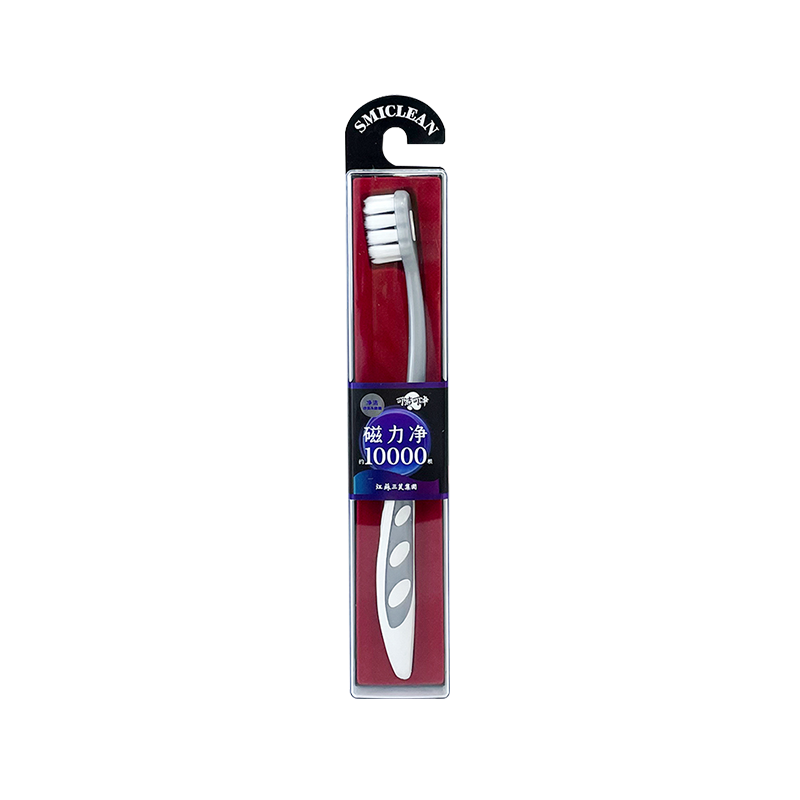
Manual toothbrushes excel in simplicity and portability. They require no charging infrastructure, occupy minimal counter space, and travel effortlessly in luggage, gym bags, or school backpacks. For families with active lifestyles involving frequent travel, sports activities, or overnight stays at multiple locations, manual brushes eliminate concerns about forgotten chargers, dead batteries, or inadequate electrical outlets. The disposable nature of manual brushes also makes them ideal for situations where loss or damage is likely, such as camping trips or children's sleepovers.
Electric toothbrushes demand dedicated bathroom counter or cabinet space for charging bases, particularly in families where each member has an individual unit. This space requirement can challenge families with small bathrooms or limited counter areas. However, modern electric toothbrush designs increasingly offer compact charging solutions, and some premium models feature travel cases with integrated charging capabilities. The need to maintain charged batteries adds a minor task to household routines, though most quality electric brushes hold charges for one to three weeks of regular use.
Maintenance requirements differ significantly between the two options. Manual toothbrushes need only rinsing after use and periodic replacement of the entire unit. Electric toothbrushes require regular cleaning of both brush heads and handles, with particular attention to the connection points where moisture and toothpaste residue can accumulate. The charging base also requires periodic cleaning to prevent buildup. While these maintenance tasks aren't burdensome, they represent additional household chores that some families prefer to avoid.
Daily Use Considerations
- Manual brushes work immediately anywhere without power sources or charging requirements
- Electric brushes need accessible outlets and regular charging to maintain functionality
- Noise from electric toothbrushes may disturb sleeping family members during early morning or late night brushing
- Manual brushes allow quiet operation suitable for any time of day or night
- Electric toothbrush timers help ensure adequate brushing duration without watching clocks
- Manual brushing requires self-monitoring of time, which children may find challenging
Age-Appropriate Selection for Different Family Members
Families typically include members spanning various ages and developmental stages, each with different oral care needs and capabilities. The optimal toothbrush choice often varies by individual family member rather than representing a one-size-fits-all decision. Understanding age-specific considerations helps parents make appropriate selections that support oral health across all household members.
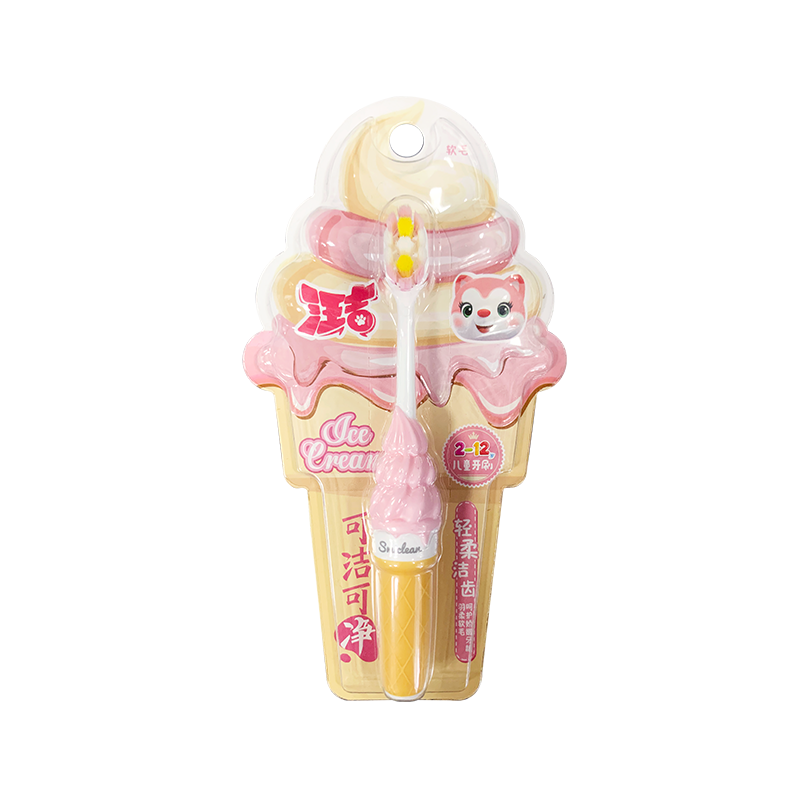
Young children ages two to five typically benefit from small, soft-bristled manual toothbrushes designed specifically for their mouths and developing motor skills. At this age, parents perform most of the actual brushing, making the toothbrush type less critical than proper parental technique and establishing positive brushing routines. Character-themed manual brushes featuring favorite cartoon figures often increase cooperation and enthusiasm during brushing sessions. Some parents introduce electric toothbrushes during this stage if their child shows interest and tolerates the vibration sensation, though manual options remain perfectly effective with proper parental guidance.
School-age children from six to twelve gain increasing independence in oral care but still require supervision and encouragement. Electric toothbrushes with built-in timers and pressure sensors particularly benefit this age group, helping them develop proper brushing habits that transfer to adulthood. The novelty factor of electric brushes often maintains engagement better than manual options during these years when establishing routines requires consistent effort. However, children who demonstrate thorough brushing technique with manual brushes achieve equally good results, and the lower cost of manual options appeals to parents concerned about lost or damaged equipment.
Teenagers and adults possess the manual dexterity and understanding to use either toothbrush type effectively with proper technique. Personal preference, orthodontic appliances, and specific oral health needs guide selection at these ages. Individuals with braces often find electric toothbrushes with orthodontic heads more effective for cleaning around brackets and wires, though specialized manual brushes designed for braces also work well with diligent technique. Adults with arthritis, limited hand mobility, or conditions affecting manual dexterity may find electric toothbrushes significantly easier to use effectively, making them worth the additional investment despite capable use of manual options when younger.
Elderly family members or those with special needs require particular consideration. Electric toothbrushes with ergonomic handles reduce the physical effort required for effective brushing, supporting independence for individuals with reduced grip strength or limited arm mobility. The automated brushing motion compensates for tremors or coordination challenges that make manual brushing difficult. However, some elderly individuals prefer maintaining familiar routines with manual brushes they've used for decades, and forcing a change to electric options may reduce compliance rather than improve it.
Environmental Impact and Sustainability
Environmentally conscious families increasingly consider the ecological footprint of their consumption choices, including oral care products. The environmental impact of toothbrushes extends from manufacturing and materials through disposal, with significant differences between manual and electric options that align with varying degrees of sustainability priorities.
Traditional plastic manual toothbrushes contribute substantially to global plastic waste, with an estimated one billion toothbrushes discarded annually in the United States alone. These brushes, typically made from multiple types of plastic that can't be easily separated, rarely get recycled and persist in landfills or natural environments for hundreds of years. However, the relatively small size and weight of manual toothbrushes means their individual environmental impact remains modest compared to larger consumer products. Families seeking to reduce this impact can choose manual toothbrushes made from bamboo, recycled materials, or other more sustainable alternatives now widely available at competitive prices.
Electric toothbrushes present a more complex environmental calculus. While the replaceable head design reduces plastic waste compared to discarding entire manual brushes, electric toothbrushes contain batteries, motors, and electronic components that complicate disposal and recycling. The manufacturing process for electric toothbrushes requires more energy and resources than manual brush production, and the devices' reliance on electricity adds ongoing energy consumption throughout their service life. However, a single electric toothbrush base used for several years with periodic head replacements may ultimately generate less total waste than quarterly disposal of complete manual toothbrushes over the same period.
Battery disposal poses specific environmental challenges for electric toothbrush users. Older models using replaceable batteries require proper recycling of spent batteries to prevent heavy metal contamination. Newer rechargeable models avoid this frequent battery disposal but create end-of-life challenges when the internal battery eventually fails, often rendering the entire unit unusable. Few municipalities offer recycling programs specifically for electric toothbrushes, meaning many end up in general waste streams despite containing recyclable components.
Making the Decision for Your Family
After examining the multiple dimensions of the electric versus manual toothbrush decision, families must synthesize this information into a practical choice that serves their unique circumstances. Rather than searching for a universally "better" option, focus on identifying which toothbrush type aligns best with your family's priorities, resources, and preferences. Many families ultimately adopt a hybrid approach, using different toothbrush types for different family members based on individual needs.
Consider starting with an assessment of your family's specific challenges and goals regarding oral health. If children resist brushing or struggle to brush for adequate time, electric toothbrushes with timers and engaging features might justify the additional expense through improved compliance. If budget constraints are paramount and family members demonstrate good brushing technique with manual options, investing in quality manual toothbrushes along with proper education delivers excellent results at minimal cost. Families with members who have mobility limitations, braces, or particular difficulty achieving effective manual brushing often find electric toothbrushes worth the investment for those specific individuals.
Trial periods help overcome decision paralysis and provide real-world experience with both options. Many families successfully try an electric toothbrush for one family member while others continue with manual brushes, evaluating the results over several weeks before committing to broader changes. Dental professionals can offer personalized recommendations based on your family's oral health status, identifying whether any members would particularly benefit from electric toothbrush features like pressure sensors or specialized brush head designs.
Remember that the best toothbrush is ultimately the one that gets used correctly and consistently. Proper brushing technique, adequate duration, and twice-daily frequency matter more than the technology employed. Manual toothbrushes used with excellent technique by motivated individuals outperform expensive electric toothbrushes used carelessly or inconsistently. Focus on education, routine establishment, and regular dental check-ups alongside your toothbrush selection to ensure optimal oral health for all family members. Whether you choose manual brushes, electric options, or a combination approach, commitment to proper oral hygiene practices delivers the positive outcomes every family deserves.
We will provide a professional and reasonable quotation
as soon as possible for any customer inquiries.