English
 русский
 Español

How Effective Are Interdental Brushes Compared to Dental Floss for Cleaning Between Teeth?
Content
Maintaining oral hygiene goes beyond brushing alone. Interdental cleaning plays a crucial role in removing plaque and food debris from areas that toothbrushes cannot reach. Interdental brushes and dental floss are two of the most common tools for this purpose. Understanding their effectiveness, proper use, and advantages can help individuals achieve optimal oral health.
Understanding Interdental Brushes
Design and Structure
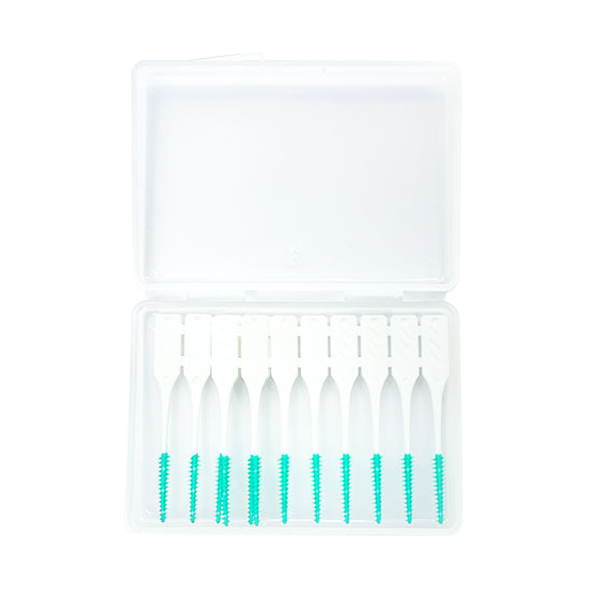
Interdental brushes consist of a small, cylindrical or tapered bristle head attached to a handle. They come in various sizes to fit different gaps between teeth. The bristles are designed to remove plaque efficiently while being gentle on the gums.
Types of Interdental Brushes
There are reusable and disposable interdental brushes, as well as brushes with coated or uncoated wires. Coated wires reduce the risk of enamel scratching, while uncoated options offer firmer cleaning for tight spaces.
Dental Floss Overview
Types of Dental Floss
Dental floss is a thin string used to remove food particles and plaque from tight spaces between teeth. Floss types include waxed, unwaxed, dental tape, and floss with flavor or antimicrobial agents.
Proper Flossing Technique
To use dental floss effectively, gently slide the floss between teeth in a C-shaped motion around the tooth, moving up and down to remove debris without damaging the gums.
Effectiveness Comparison
Plaque Removal Efficiency
Studies indicate that interdental brushes often remove more plaque compared to dental floss, especially in individuals with wider interdental spaces. The bristles reach both sides of teeth simultaneously, enhancing plaque disruption.
Gum Health Benefits
Regular use of interdental brushes has been associated with improved gum health and reduced inflammation. Dental floss is effective for tight spaces, but improper technique can cause gum irritation or bleeding.
Ease of Use
Interdental brushes are often easier for people to use consistently, particularly those with limited dexterity. Dental floss requires more skill and coordination, which may reduce adherence in some individuals.
Choosing the Right Tool
Assessing Tooth Spacing
Individuals with wider gaps benefit more from interdental brushes, while tight contacts may require floss. Dentists can guide patients in selecting the appropriate size and type for optimal cleaning.
Combining Tools for Best Results
Many dental professionals recommend using both interdental brushes and floss to target different spaces. Brushes handle larger gaps efficiently, while floss reaches areas brushes cannot access.
Maintenance and Hygiene of Interdental Brushes
Reusable interdental brushes should be rinsed thoroughly after each use and replaced regularly to maintain effectiveness and prevent bacterial growth. Proper storage in a clean, dry place is essential.
Tips for Effective Interdental Cleaning
- Select the correct size brush for each gap between teeth.
- Use gentle, back-and-forth motions without forcing the brush to avoid damaging gums.
- Clean interdental brushes thoroughly and replace them every 1-2 weeks depending on wear.
- Combine brushing, flossing, and interdental cleaning for complete oral hygiene.
Conclusion
Interdental brushes provide a highly effective alternative to dental floss, especially for individuals with wider spaces between teeth. When used correctly, they improve plaque removal, support gum health, and are easier to use consistently. A tailored oral hygiene routine combining brushes and floss, along with regular dental check-ups, ensures optimal oral care and long-term dental health.
We will provide a professional and reasonable quotation
as soon as possible for any customer inquiries.