English
 русский
 Español

How Do You Properly Use Dental Floss Sticks for Maximum Effectiveness?
Content
- 1 What Are Dental Floss Sticks and How Do They Work?
- 2 Why Proper Technique Matters for Dental Floss Sticks
- 3 How to Properly Use Dental Floss Sticks Step by Step
- 4 Common Mistakes to Avoid When Using Dental Floss Sticks
- 5 How Often Should You Use Dental Floss Sticks?
- 6 Dental Floss Sticks vs Traditional Floss
- 7 Tips for Maximizing Effectiveness and Comfort
- 8 Who Benefits Most from Dental Floss Sticks?
- 9 Conclusion: Building an Effective Flossing Routine
Dental floss sticks have become a popular alternative to traditional string floss due to their convenience, portability, and ease of use. However, many people use dental floss sticks incorrectly, which significantly reduces their effectiveness in removing plaque and food debris. To truly benefit from dental floss sticks, it is essential to understand proper technique, common mistakes, and best practices. This guide explains how to properly use dental floss sticks for maximum effectiveness, helping you maintain healthier teeth and gums.
What Are Dental Floss Sticks and How Do They Work?
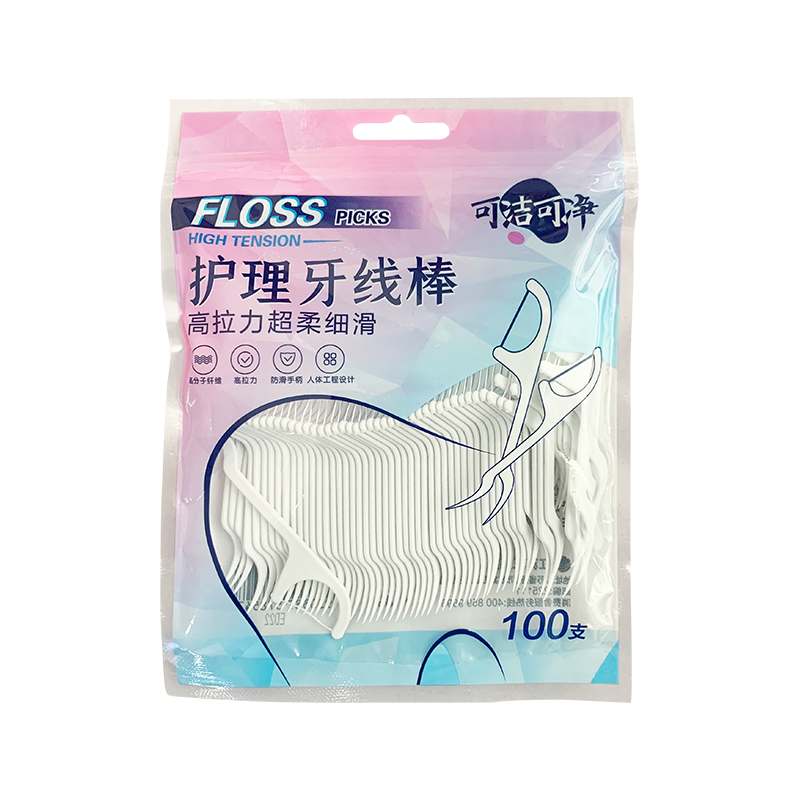
Dental floss sticks are single-use or reusable oral hygiene tools consisting of a short piece of floss tensioned between two plastic prongs, often combined with a pointed pick at the opposite end. They are designed to make interdental cleaning more accessible, especially for people who find traditional floss difficult to handle.
When used correctly, dental floss sticks remove plaque and food particles from between teeth and along the gumline. This helps prevent cavities, gum inflammation, and bad breath. Their effectiveness depends not on the tool itself, but on how accurately and gently it is used.
Why Proper Technique Matters for Dental Floss Sticks
Improper use of dental floss sticks can cause more harm than good. Snapping the floss into the gums, rushing through the process, or using the same section of floss repeatedly can irritate gum tissue and spread bacteria. Proper technique ensures that plaque is removed without damaging sensitive gum areas.
Correct usage also maximizes the reach of the floss stick, allowing it to clean areas that toothbrushes cannot access. Consistent and proper flossing plays a vital role in long-term oral health and reduces the risk of periodontal disease.
How to Properly Use Dental Floss Sticks Step by Step
Using dental floss sticks correctly involves controlled movement, gentle pressure, and patience. The goal is to clean the sides of each tooth thoroughly without injuring the gums.
Positioning the Floss Stick
Hold the floss stick firmly between your thumb and index finger. Guide the floss gently between two teeth using a slight back-and-forth motion. Avoid forcing the floss downward, as this can cause gum discomfort or bleeding.
Cleaning Along the Tooth Surface
Once the floss is between the teeth, curve it into a C-shape against one tooth surface. Slide the floss up and down gently, reaching just below the gumline. Repeat the motion on the adjacent tooth before removing the floss.
Moving to the Next Tooth Gap
After cleaning one interdental space, carefully remove the floss and move to the next gap. If possible, rinse the floss stick or wipe it clean before reuse to avoid transferring bacteria between teeth.
Common Mistakes to Avoid When Using Dental Floss Sticks
Despite their simplicity, dental floss sticks are often misused. Avoiding common mistakes can dramatically improve their cleaning effectiveness and protect your gums.
- Snapping the floss into the gums instead of guiding it gently.
- Using excessive force that causes gum irritation or bleeding.
- Skipping the gumline area where plaque tends to accumulate.
- Reusing a dirty floss stick without cleaning it between teeth.
How Often Should You Use Dental Floss Sticks?
Dental professionals generally recommend flossing once per day. Using dental floss sticks daily helps prevent plaque buildup and reduces the risk of cavities and gum disease. Consistency is more important than frequency, so establishing a daily routine is key.
Flossing at night is often ideal, as it removes food particles and bacteria accumulated throughout the day. However, flossing at any consistent time is beneficial as long as proper technique is maintained.
Dental Floss Sticks vs Traditional Floss
While both tools serve the same purpose, there are practical differences between dental floss sticks and traditional floss. Understanding these differences helps users choose the best option for their needs.
| Aspect | Dental Floss Sticks | Traditional Floss |
| Ease of use | Very convenient and beginner-friendly | Requires more hand coordination |
| Control | Limited floss length | Greater control over floss position |
| Portability | Easy to carry and use anywhere | Less convenient outside home |
Tips for Maximizing Effectiveness and Comfort
To get the most out of dental floss sticks, small adjustments in technique and habit can make a significant difference. Paying attention to comfort ensures long-term consistency.
- Use slow, controlled movements rather than quick motions.
- Replace the floss stick if the floss becomes frayed or loose.
- Choose floss sticks with gentle, shred-resistant floss.
- Rinse your mouth after flossing to remove loosened debris.
Who Benefits Most from Dental Floss Sticks?
Dental floss sticks are especially beneficial for people with limited hand mobility, orthodontic appliances, or busy lifestyles. They are also suitable for children learning proper flossing habits under supervision.
For individuals with tight interdental spaces or advanced gum disease, a dentist may recommend traditional floss or interdental brushes. Nonetheless, floss sticks remain a valuable tool for maintaining daily oral hygiene for a wide range of users.
Conclusion: Building an Effective Flossing Routine
Dental floss sticks can be highly effective when used properly and consistently. By applying correct technique, avoiding common mistakes, and understanding their limitations, users can significantly improve their oral health. Incorporating dental floss sticks into a daily routine supports cleaner teeth, healthier gums, and a more confident smile.

We will provide a professional and reasonable quotation
as soon as possible for any customer inquiries.