English
 русский
 Español

What Features Should You Look for in a Children’s Toothbrush for Safe Cleaning?
Content
- 1 Age-Appropriate Design
- 2 Bristle Softness and Safety
- 3 Handle Design and Grip
- 4 Toothbrush Head Size and Shape
- 5 Material Safety and Quality
- 6 Ergonomics and Comfort Features
- 7 Encouraging Habit Formation
- 8 Electric vs. Manual Children’s Toothbrushes
- 9 Replacing and Maintaining the Toothbrush
- 10 Conclusion: Choosing a Safe and Effective Toothbrush
Choosing the right toothbrush for children is crucial for establishing good oral hygiene habits and preventing dental issues. A well-designed toothbrush not only cleans effectively but also ensures safety and comfort during daily use. Parents must understand the key features that make a toothbrush suitable for children at different ages.
Age-Appropriate Design
Children’s toothbrushes are designed to accommodate the size of a child’s mouth and the development stage of their teeth. Selecting a toothbrush appropriate for the child’s age ensures proper brushing technique and coverage of all tooth surfaces.
- **Infants (0-2 years):** Small brush heads with soft, rounded bristles for gentle gum massage and initial tooth cleaning.
- **Toddlers (2-4 years):** Slightly larger brush heads with colorful handles to encourage brushing and soft bristles to protect enamel.
- **Children (4-8 years):** Ergonomic handles for independent brushing and medium-soft bristles to ensure effective cleaning without damaging teeth.
Bristle Softness and Safety
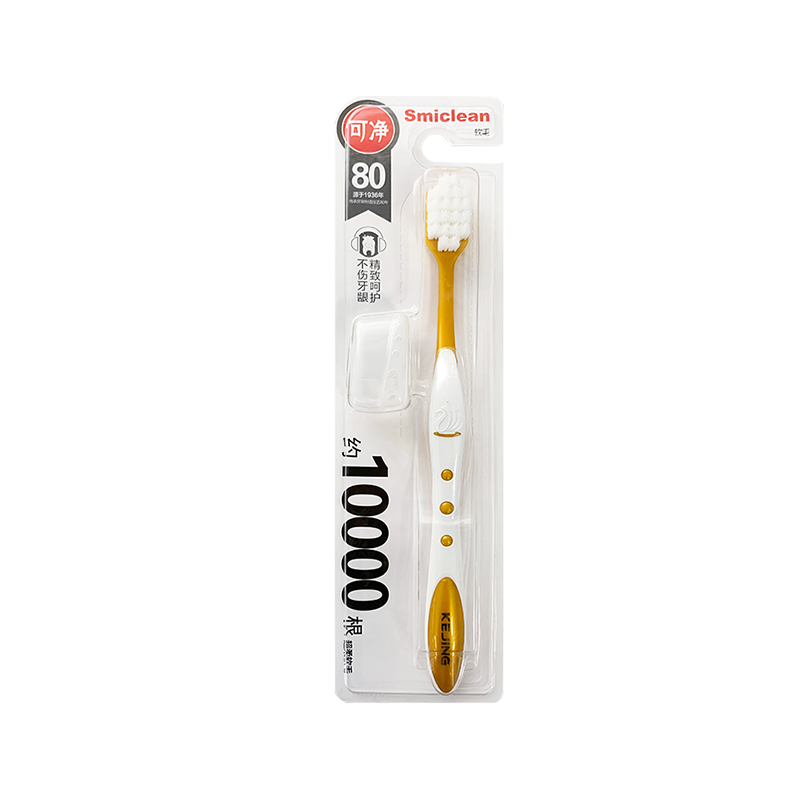
Soft bristles are essential for children to prevent damage to enamel and gums. Hard bristles can cause abrasions or enamel wear, especially in younger children with developing teeth. Parents should look for brushes labeled "extra soft" or "soft," which provide a gentle yet effective cleaning action.
Rounded bristle tips are an added safety feature to reduce the risk of gum injury. Multi-level bristle arrangements can also help clean between teeth and along the gum line without applying excessive force.
Handle Design and Grip
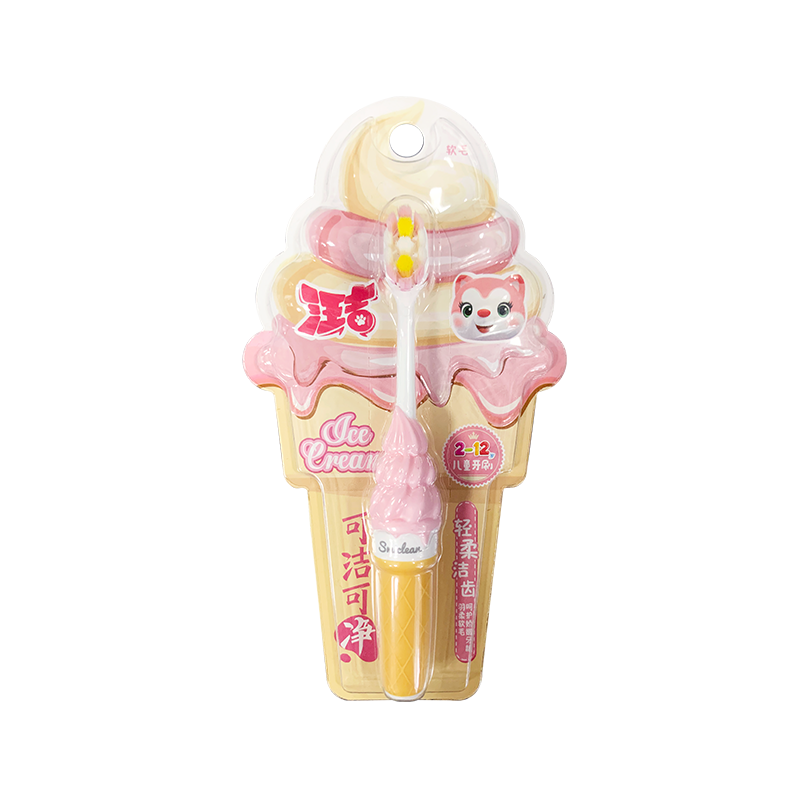
A child-friendly handle design is critical for promoting independent brushing and correct technique. Handles should be easy to hold with small hands and often feature non-slip grips or contoured shapes.
Bright colors, fun shapes, or favorite characters on handles can encourage regular brushing and make the experience enjoyable. For toddlers, a wider base or a safety stopper at the end can prevent choking or excessive insertion into the mouth.
Toothbrush Head Size and Shape
The toothbrush head should be proportionate to the child’s mouth to reach all areas, including molars and back teeth. Smaller heads are safer and more effective for younger children, while slightly larger heads suit older children who can manage independent brushing.
- Compact head design for easy maneuverability in the mouth
- Rounded edges to avoid gum irritation or accidental cuts
- Slightly angled heads for better access to back molars
Material Safety and Quality
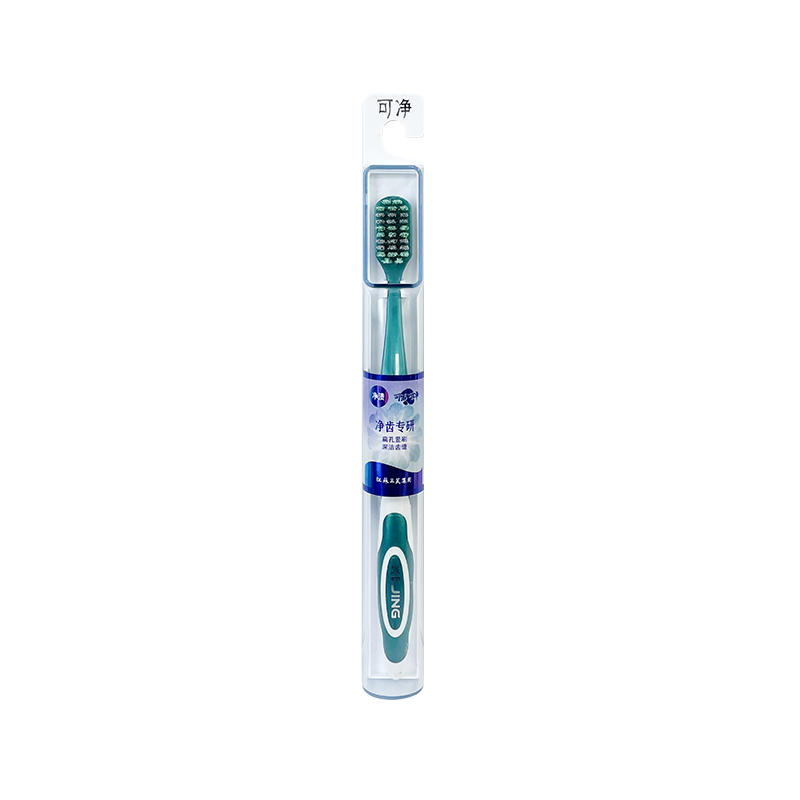
Parents should ensure toothbrushes are made from non-toxic, BPA-free materials. High-quality plastic handles and bristles reduce the risk of chemical exposure, while durable construction prevents breakage that could harm the child.
Some brushes feature antibacterial coatings on bristles or handles, providing an added layer of hygiene. However, regular replacement every three months is recommended to maintain effectiveness.
Ergonomics and Comfort Features
Comfortable brushing experiences encourage children to maintain daily oral hygiene habits. Features such as soft-grip handles, flexible necks, and cushioned bristle areas help prevent overpressure while brushing and reduce strain on small hands and jaws.
Toothbrushes with flexible necks absorb excessive force, protecting enamel and gums. Ergonomic designs also promote correct brushing angles for effective plaque removal.
Encouraging Habit Formation
Children are more likely to brush regularly if toothbrushes are visually appealing and fun to use. Handles with favorite characters, bright colors, or playful designs motivate children to brush independently.
Some toothbrushes incorporate timers, music, or color-changing bristles to guide children to brush for the recommended two minutes, reinforcing proper oral hygiene routines.
Electric vs. Manual Children’s Toothbrushes
Electric toothbrushes can provide additional cleaning power and help maintain consistent brushing technique, particularly for children who struggle with manual brushing. Features such as gentle oscillating heads and built-in timers enhance safety and effectiveness.
Manual toothbrushes remain effective when used correctly and are often more affordable and travel-friendly. Parents should consider the child’s age, dexterity, and preference when selecting between manual and electric options.
Replacing and Maintaining the Toothbrush
Regular replacement is essential for safe and effective cleaning. Pediatric dentists recommend replacing toothbrushes every three months or sooner if bristles become frayed. Proper storage in a clean, dry place prevents bacterial growth and maintains hygiene.
Educating children to rinse and shake off excess water after brushing, and avoiding covering toothbrushes in closed containers, further enhances cleanliness and safety.
Conclusion: Choosing a Safe and Effective Toothbrush
Selecting a children’s toothbrush requires careful attention to age-appropriate design, bristle softness, handle ergonomics, material safety, and habit-forming features. By choosing a toothbrush that prioritizes safety, comfort, and effectiveness, parents can promote lifelong oral hygiene habits and ensure healthy teeth and gums.
Investing in a high-quality, child-friendly toothbrush and following best practices for maintenance and replacement ensures children develop proper brushing techniques, reduces dental problems, and makes oral care a positive experience.

We will provide a professional and reasonable quotation
as soon as possible for any customer inquiries.