English
 русский
 Español

How Does Sensitive Toothpaste Actually Relieve Tooth Pain?
Content
- 1 Understanding Tooth Sensitivity and Its Causes
- 2 How Sensitive Toothpaste Works to Relieve Pain
- 3 Common Active Ingredients in Sensitive Toothpaste
- 4 How to Use Sensitive Toothpaste for Best Results
- 5 Choosing the Right Sensitive Toothpaste for Specific Needs
- 6 When Sensitive Toothpaste May Not Be Enough
- 7 Supporting Oral Care Habits Alongside Sensitive Toothpaste
- 8 Final Thoughts on Managing Tooth Sensitivity
Understanding Tooth Sensitivity and Its Causes
Tooth sensitivity occurs when the protective layers of a tooth, either the enamel on the crown or the cementum on the root surface, become worn down or recede, exposing the underlying dentin. Dentin contains thousands of microscopic tubules that lead directly to the tooth's nerve center, meaning that exposure to hot, cold, sweet, or acidic stimuli can trigger a sharp, often sudden pain response. Sensitive toothpaste is formulated specifically to address this mechanism, offering a practical, non-invasive first line of defense for people experiencing this common dental issue.
Common causes of sensitivity include gum recession, aggressive brushing technique, enamel erosion from acidic foods and beverages, teeth grinding, and dental procedures such as whitening treatments. Because the underlying cause can vary significantly between individuals, understanding how sensitive toothpaste works, along with when additional dental treatment may be necessary, helps consumers use these products effectively as part of a broader oral care routine.
How Sensitive Toothpaste Works to Relieve Pain
Sensitive toothpaste formulations generally rely on one of two mechanisms to reduce tooth pain, either by physically blocking the exposed dentin tubules or by interrupting the nerve's ability to transmit pain signals. Understanding these mechanisms helps clarify why consistent use over time is typically necessary to achieve meaningful relief.
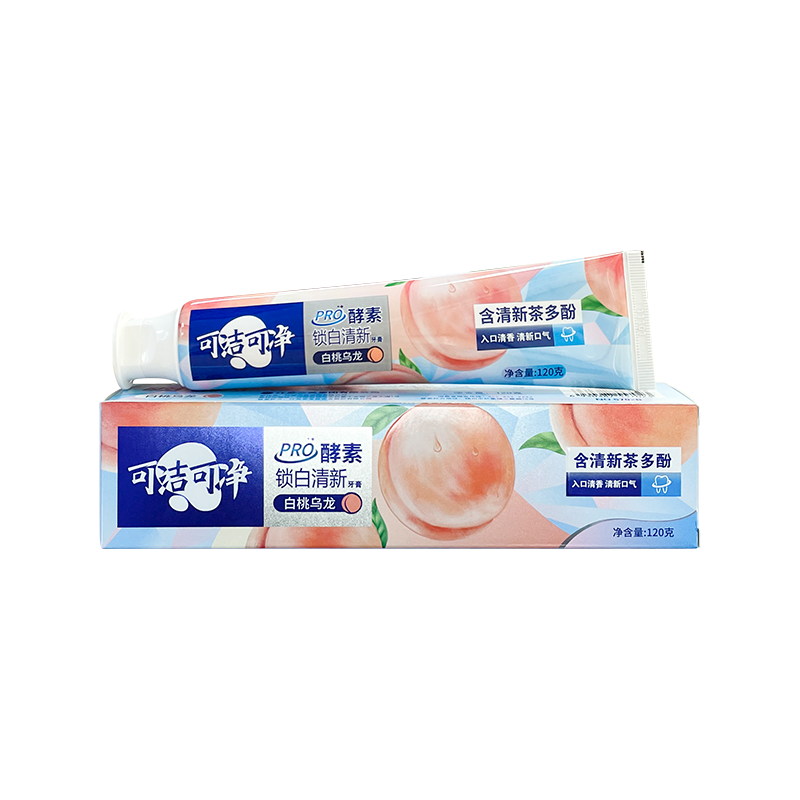
Tubule Occlusion
Some active ingredients work by physically plugging the microscopic tubules within exposed dentin, preventing external stimuli such as temperature changes or sugar from reaching the nerve endings inside the tooth. This mechanism often requires repeated application over several days to weeks to build up sufficient occlusion for noticeable relief, since a single brushing session typically cannot fully seal the tubules.
Nerve Depolarization
Other active ingredients work by altering the electrical activity of the nerve fibers within the tooth, reducing their ability to transmit pain signals in response to stimuli. This mechanism can sometimes provide relief more quickly than tubule-blocking approaches, though it does not address the underlying structural exposure of the dentin itself.
Common Active Ingredients in Sensitive Toothpaste
Several active ingredients are commonly used across sensitive toothpaste formulations, each working through slightly different mechanisms to reduce discomfort. Understanding these differences can help consumers select a product suited to their specific sensitivity pattern.
| Active Ingredient | Primary Mechanism | Typical Onset of Relief |
| Potassium Nitrate | Nerve depolarization | Two to four weeks of regular use |
| Stannous Fluoride | Tubule occlusion | One to two weeks of regular use |
| Strontium Chloride | Tubule occlusion | Two to three weeks of regular use |
| Arginine and Calcium Carbonate | Tubule occlusion | Can provide relief within days |
Because individual response to these ingredients can vary, some people may find greater relief from one formulation over another, making it reasonable to try a different active ingredient if an initial product does not produce satisfactory results after several weeks of consistent use.
How to Use Sensitive Toothpaste for Best Results
Achieving meaningful relief from sensitive toothpaste typically requires more than occasional use, since most active ingredients depend on consistent, repeated application to build up their protective or nerve-calming effects over time.
Brush Consistently, Not Just When Symptoms Occur
For best results, sensitive toothpaste should be used as a regular daily replacement for standard toothpaste, brushing at least twice a day, rather than being reserved only for moments when pain is actively present. Many formulations require several weeks of consistent use before their full protective effect becomes noticeable.
Consider Leaving a Thin Layer on Sensitive Areas
Some dental professionals recommend applying a small amount of sensitive toothpaste directly to particularly sensitive areas, such as an exposed root surface, and leaving it in place for a few minutes before rinsing, rather than rinsing immediately after brushing. This extended contact time can help active ingredients penetrate more effectively into exposed dentin tubules.
Avoid Rinsing Immediately with Water
Rinsing thoroughly with water immediately after brushing can wash away active ingredients before they have had sufficient time to interact with the tooth surface. Spitting out excess toothpaste without a full water rinse allows the active compounds to remain in contact with the teeth for a longer period.
Choosing the Right Sensitive Toothpaste for Specific Needs
Beyond the core active ingredient, sensitive toothpaste formulations often include additional features that may be relevant depending on an individual's broader oral health needs.
- Fluoride content for additional cavity protection alongside sensitivity relief
- Whitening agents for those seeking cosmetic benefits alongside sensitivity treatment
- Low abrasiveness formulations for individuals with existing enamel erosion
- Formulations free of sodium lauryl sulfate for those prone to mouth irritation
Selecting a product that addresses both sensitivity and any secondary oral health priorities can simplify a daily oral care routine, though it is worth noting that some whitening formulations use more abrasive polishing agents that could potentially counteract sensitivity relief if not balanced carefully within the product's formulation.
When Sensitive Toothpaste May Not Be Enough
While sensitive toothpaste provides effective relief for many people, certain underlying causes of tooth sensitivity require professional dental treatment rather than relying on over-the-counter products alone.
Significant Gum Recession
When gum recession has progressed to expose a substantial portion of the tooth root, professional treatments such as gum grafting or dental bonding may be necessary to provide lasting relief beyond what toothpaste alone can achieve.
Cracked or Damaged Teeth
Sensitivity localized to a single tooth, particularly if accompanied by pain when biting down, may indicate a cracked tooth or failing dental restoration that requires professional evaluation rather than general sensitivity treatment.
Persistent Sensitivity Despite Consistent Use
If sensitivity does not improve after several weeks of consistent use of a sensitive toothpaste formulation, consulting a dentist can help identify whether an underlying issue, such as a cavity or gum disease, is contributing to the ongoing discomfort.
Supporting Oral Care Habits Alongside Sensitive Toothpaste
Using sensitive toothpaste alongside supportive daily habits can improve overall results and help prevent further enamel or gum tissue loss that contributes to ongoing sensitivity.
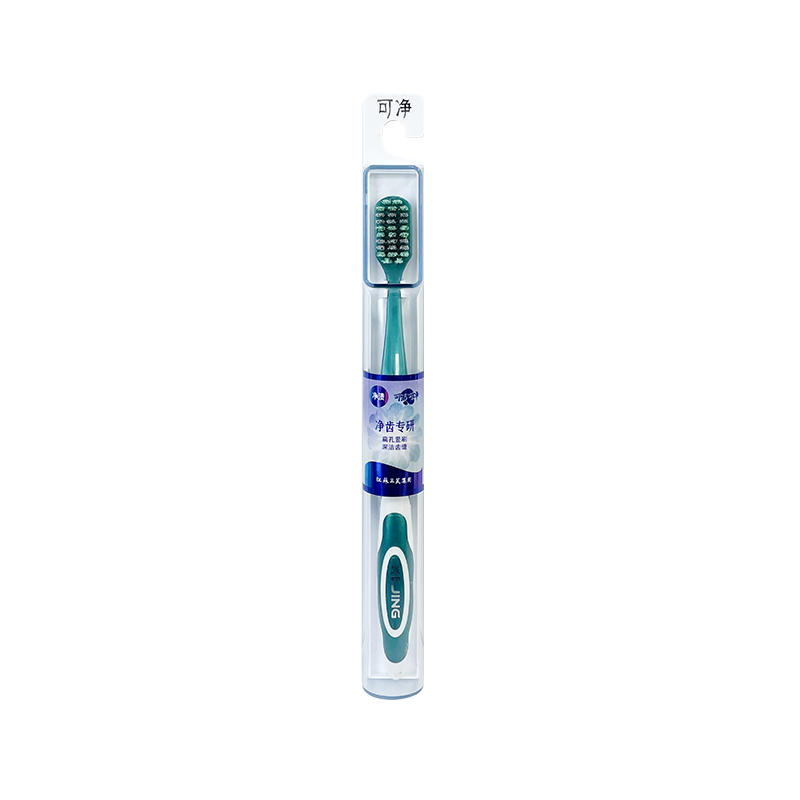
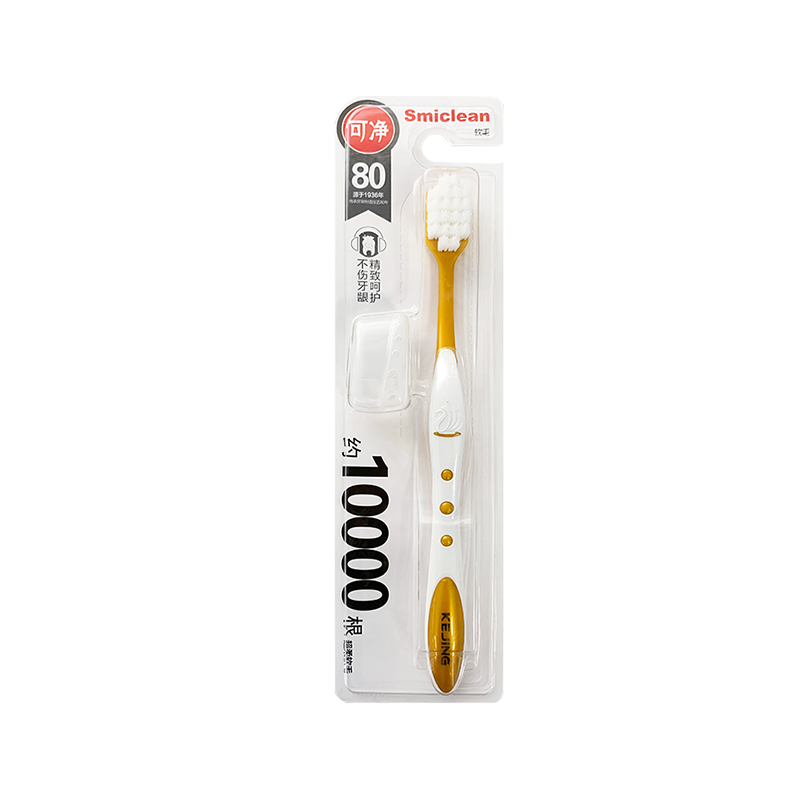
Using a soft-bristled toothbrush and applying gentle pressure while brushing helps prevent further gum recession and enamel wear, both of which can worsen sensitivity over time. Limiting frequent consumption of highly acidic foods and beverages, such as citrus fruits and carbonated soft drinks, also helps preserve remaining enamel thickness, reducing the likelihood of sensitivity progressing further even while using a dedicated sensitivity toothpaste formulation.
Final Thoughts on Managing Tooth Sensitivity
Sensitive toothpaste offers a practical, accessible solution for many people experiencing tooth pain from exposed dentin, working through either tubule occlusion or nerve depolarization mechanisms depending on the specific active ingredient used. By using these products consistently, following application best practices, and recognizing when professional dental care may be necessary, individuals can effectively manage tooth sensitivity as part of a comprehensive oral health routine.
We will provide a professional and reasonable quotation
as soon as possible for any customer inquiries.