English
 русский
 Español

How Can You Select the Right Manual Toothbrush for Optimal Oral Health and Effective Cleaning?
Content
- 1 Understanding Manual Toothbrush Design and Types
- 2 Bristle Technology and Material Innovation
- 3 Proper Brushing Technique and Cleaning Effectiveness
- 4 Selecting the Right Manual Toothbrush for Individual Needs
- 5 Cost Considerations and Long-Term Value
- 6 Environmental Sustainability and Ecological Impact
- 7 Special Considerations for Diverse Populations
- 8 Maintenance and Proper Care Extending Toothbrush Life
Manual toothbrushes remain the gold standard for oral hygiene despite technological advances and the proliferation of electric alternatives, delivering reliable, effective cleaning when used with proper technique while offering simplicity, affordability, and accessibility that electric options cannot match. The humble manual toothbrush represents centuries of dental innovation, combining centuries of design refinement with modern material science to create tools enabling individuals worldwide to maintain healthy teeth and gums through daily oral care. Understanding the diverse toothbrush designs available, bristle technologies, proper brushing techniques, and selection criteria enables consumers to make informed decisions ensuring that their oral care tools effectively support long-term dental health. This comprehensive guide explores every dimension of manual toothbrushes, from fundamental design principles through advanced bristle technologies, proper usage techniques, selection considerations for different oral health needs, and environmental sustainability factors that increasingly influence purchasing decisions.
Understanding Manual Toothbrush Design and Types
Manual toothbrushes encompass diverse designs optimized for specific cleaning applications and user preferences, ranging from traditional straight-handled brushes through ergonomically designed curved handles providing enhanced grip comfort. The classic toothbrush design consists of a handle constructed from plastic, wood, or bamboo materials providing comfortable grip and control, connected to a brush head containing bristles arranged in tufts. The brush head dimensions typically measure approximately 20mm wide and 8-10mm deep, enabling access to various tooth surfaces including tight interproximal spaces and posterior teeth that prove difficult to reach with oversized brush heads.
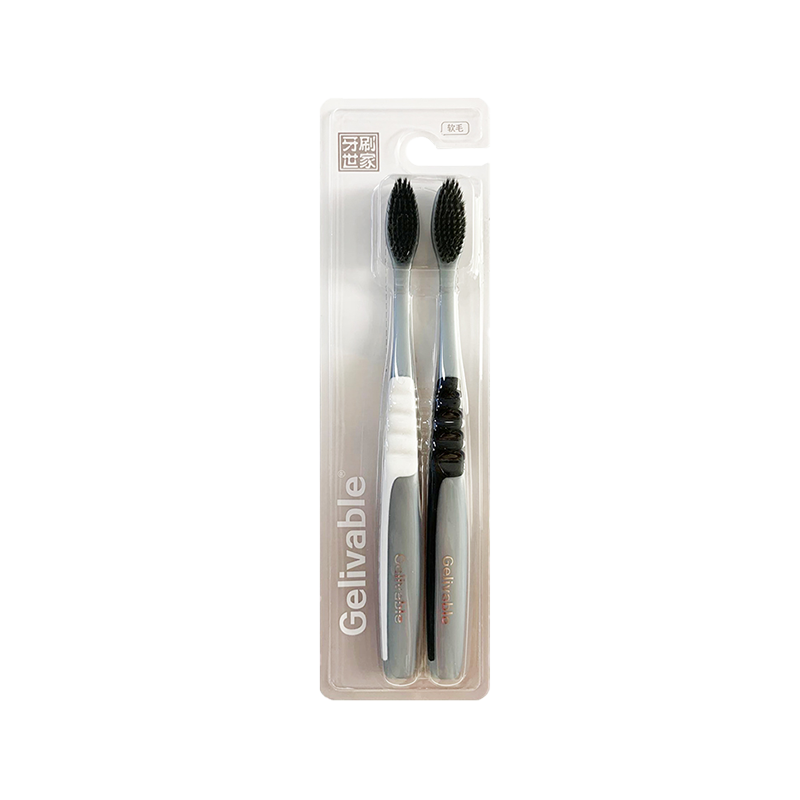
Brush head angle represents an important design variable, with some designs incorporating slightly angled brush heads (approximately 45-degree angle) enabling enhanced access to the gum line where plaque accumulation drives periodontal disease. Traditional straight brush heads require users to manually position the brush at appropriate angles, while angled designs facilitate proper positioning reducing technique demands. Bristle arrangement patterns vary from traditional uniform tufts through specialized configurations including wavy or V-shaped patterns designed to enhance interproximal cleaning or gum stimulation.
Handle ergonomics significantly influence brushing effectiveness and user comfort during extended brushing sessions. Textured grips provide enhanced control preventing slipping when wet, while contoured handles conform to hand anatomy reducing fatigue during two-minute brushing periods. Grip diameter affects control and comfort, with smaller diameters often preferred by individuals with reduced hand strength or dexterity limitations. Modern designs increasingly incorporate ergonomic principles that minimize repetitive stress while maximizing control and brushing efficiency.
Bristle Technology and Material Innovation
Bristle material represents perhaps the most critical determinant of toothbrush effectiveness, with modern nylon bristles replacing traditional horsehair and boar bristles that dominated early toothbrush design. Nylon bristles offer superior durability, consistent performance across use cycles, and hygienic advantages eliminating natural material concerns. The bristle diameter typically ranges from 0.2 millimeters for ultra-soft designs through 0.3 millimeters for soft bristles, 0.4 millimeters for medium bristles, and 0.5+ millimeters for hard bristles. Bristle stiffness significantly influences cleaning efficacy, with firmer bristles providing more vigorous plaque removal but potentially causing gum recession through aggressive brushing.
Soft bristles represent the American Dental Association recommendation for most consumers, providing effective plaque removal while minimizing abrasion and gum damage during normal use. Ultra-soft bristles benefit individuals with sensitive teeth or gum recession where traditional bristles would cause discomfort. Medium and hard bristles prove appropriate only for specific applications or individuals with exceptionally robust gum tissue and reduced tooth sensitivity. Many manufacturers now incorporate tapered or multi-diameter bristles, combining softer tips for comfort with firmer bases providing effective cleaning force.
Specialized bristle technologies enhance performance through targeted design innovations. Spiral bristles promote enhanced interproximal cleaning through bristle bending patterns improving access to tight spaces. Oscillating wave patterns in bristle arrangement create dynamic bristle action during normal brushing strokes, maximizing surface contact. Polished bristle ends reduce soft tissue trauma compared to traditional cut bristles that create sharp edges. Antimicrobial bristles incorporating silver ions or other active agents reduce bacterial colonization between brushings, though scientific evidence supporting superior efficacy remains limited.
Proper Brushing Technique and Cleaning Effectiveness
Optimal oral hygiene requires proper brushing technique that maximizes plaque removal while minimizing tissue trauma and ensuring comprehensive tooth surface coverage. The bass technique, endorsed by dental professionals, involves positioning the toothbrush at approximately 45 degrees to the gum line, enabling bristles to access the critical zone where plaque accumulation initiates periodontal disease. Gentle pressure combined with small oscillating or circular motions dislodges plaque without causing gum recession through aggressive brushing. Each tooth surface including facial, lingual, and occlusal surfaces requires deliberate attention ensuring complete coverage during the recommended two-minute brushing period.
Common brushing errors undermine cleaning effectiveness, including excessive pressure that damages soft tissues while failing to improve plaque removal, insufficient brushing time that leaves substantial plaque residue, and failure to address all tooth surfaces. Horizontal scrubbing motions, while comfortable for many users, prove less effective than the recommended circular motions enabling bristle flexibility and optimal plaque disruption. Many individuals fail to adequately clean posterior teeth and inner tooth surfaces where plaque accumulates most aggressively, requiring deliberate conscious attention ensuring comprehensive coverage.
Clinical studies demonstrate that manual toothbrushes, when used with proper technique, provide plaque removal equivalent to electric alternatives. The effectiveness advantage of electric brushes derives primarily from superior user compliance and consistent technique rather than inherent brushing superiority. Individuals mastering proper manual brushing technique achieve plaque control and periodontal health outcomes matching or exceeding those of electric brush users, demonstrating that technique proficiency rather than brush type determines ultimate oral health outcomes.
| Bristle Type | Diameter (mm) | Best For | Considerations |
| Ultra-Soft | 0.15-0.20 | Sensitive teeth, gum recession | Gentlest option, may clean less aggressively |
| Soft | 0.20-0.30 | Most people (ADA recommended) | Balances cleaning and safety |
| Medium | 0.35-0.45 | Robust gums, excellent health | Risk of gum damage if used aggressively |
| Hard | 0.50+ | Rarely recommended | High risk of gum and enamel damage |
Selecting the Right Manual Toothbrush for Individual Needs
Toothbrush selection should reflect individual oral health status, specific concerns requiring attention, and personal preferences influencing daily use compliance. Individuals with healthy gums and low plaque accumulation can successfully use soft to medium bristles, while those with existing gum disease should prioritize ultra-soft or soft bristles enabling effective cleaning without exacerbating inflammation. Patients with tooth sensitivity require ultra-soft bristles and gentle technique preventing additional exposed dentin exposure triggering pain. Children typically benefit from smaller brush heads and softer bristles appropriate for developing teeth and limited hand strength and coordination.
Brush head size significantly influences accessibility to difficult-to-reach areas, with smaller compact heads enabling superior access to posterior teeth and interproximal spaces. Individuals with limited manual dexterity benefit from ergonomically designed handles providing superior control with minimal effort. Those with gag reflexes triggered by brush head contact benefit from smaller heads enabling positioning further back without gagging. Personal comfort preferences including handle material, bristle texture, and overall aesthetic should influence selection, as individuals are more likely to brush properly with tools they genuinely enjoy using.
Cost Considerations and Long-Term Value
Manual toothbrushes offer exceptional value compared to electric alternatives, with quality brushes available at prices ranging from $2-$8 versus $50-$200+ for electric options. The recommended replacement schedule of every three months means annual costs of approximately $8-$32 for quality manual brushes compared to $50-$200 for electric alternatives requiring periodic battery replacement or charging infrastructure maintenance. The financial accessibility of quality manual toothbrushes enables consistent replacement ensuring optimal bristle condition supporting effective plaque removal without financial barriers.
Premium manual toothbrush options incorporating specialized bristle technologies or ergonomic handle designs typically cost $5-$10, offering enhanced features justifying modest cost premiums for consumers prioritizing comfort or specific cleaning benefits. Bulk purchasing through subscriptions or multi-packs further reduces per-unit costs, enabling substantial savings through planned replacement strategies. The superior financial accessibility of manual toothbrushes makes them particularly valuable for individuals with limited healthcare budgets or populations in developing regions where electric options remain unaffordable.
Environmental Sustainability and Ecological Impact
Environmental considerations increasingly influence toothbrush selection decisions, with traditional plastic toothbrushes generating significant waste through annual replacement requirements and limited recyclability prospects. An estimated 3.6 billion toothbrushes are discarded annually worldwide, representing substantial plastic waste persisting in landfills for centuries. Bamboo toothbrushes offer sustainable alternatives to plastic, with biodegradable handles reducing long-term environmental burden while providing equivalent cleaning performance. Bamboo's rapid renewal rate and minimal pesticide requirements compared to conventional agriculture make it substantially more sustainable than plastic alternatives.
Recyclable toothbrush initiatives enable consumers concerned about environmental impact to participate in collection programs diverting used brushes from landfills toward material recovery or responsible recycling. Some manufacturers offer bristle recovery programs where consumers return used brushes enabling responsible bristle disposal or reuse in alternative applications. Reduced-packaging toothbrush options minimize waste generation associated with excessive cardboard and plastic packaging that traditional brushes include. These sustainability-focused options enable environmentally conscious consumers to maintain excellent oral hygiene while minimizing their ecological footprint.
Special Considerations for Diverse Populations
Children require toothbrush designs reflecting their smaller hand size and developing motor skills, with smaller brush heads and softer bristles appropriate for their needs. Bright colors and appealing designs encourage consistent brushing behavior supporting lifelong oral health habits. Teenagers may benefit from brushes balancing aesthetic preferences with functional cleaning requirements, ensuring that social consciousness about appearance doesn't discourage daily use. Adults should select brushes reflecting their individual oral health status and concerns, with adjustments over time responding to changing conditions.
Elderly individuals with reduced hand strength or dexterity limitations benefit from ergonomically designed handles providing enhanced control with minimal effort. Those with arthritis or other mobility limitations may require specialized handles or electronic aids assisting with brushing. Individuals with intellectual disabilities or cognitive decline require simple toothbrush designs and caregiver assistance ensuring adequate oral hygiene maintenance. Awareness of individual needs enables selection of appropriate tools supporting optimal oral health across diverse populations with varied capabilities.
Key Selection Criteria
- Bristle type and softness appropriate for individual gum health and sensitivity status
- Brush head size enabling comfortable access to all tooth surfaces
- Handle ergonomics providing comfortable grip and control
- Material selection balancing performance, sustainability, and personal preferences
- Cost considerations and value relative to replacement frequency
- Environmental sustainability reflecting personal values and ecological concerns
Maintenance and Proper Care Extending Toothbrush Life
Proper toothbrush maintenance extends functional lifespan ensuring optimal performance until replacement becomes necessary. Rinsing thoroughly after each use removes toothpaste residue and food particles preventing bacterial colonization and bristle degradation. Air drying in an upright position enables moisture evaporation preventing bacterial growth and mold development common in wet environments. Toothbrush storage in medicine cabinets or holders enabling air circulation supports drying and minimizes bacterial contamination from splashing or bathroom humidity.
Avoiding immersion in mouthwash or other solutions prevents bristle degradation and adhesive breakdown compromising bristle retention. Separate toothbrush storage prevents cross-contamination when multiple brushes are stored together, particularly important in shared bathrooms where family members' immune systems might be compromised. Replacement every three months or when bristles show visible splaying, fraying, or loss of stiffness ensures optimal cleaning performance and prevents use of degraded brushes potentially traumatizing soft tissues.
Manual toothbrushes remain the foundation of effective oral hygiene worldwide, delivering reliable cleaning performance through centuries-refined designs combined with modern material innovations. The affordability, accessibility, and proven efficacy of manual toothbrushes make them the preferred choice for dental professionals recommending oral care tools to diverse patient populations. By understanding bristle technologies, mastering proper brushing technique, and selecting tools reflecting individual oral health needs, consumers can maximize the oral health benefits that simple, affordable manual toothbrushes provide while maintaining dental health supporting overall wellbeing throughout life.
We will provide a professional and reasonable quotation
as soon as possible for any customer inquiries.