English
 русский
 Español

Dental Floss Sticks: Benefits, Types, and How to Use Them
Content
What Are Dental Floss Sticks?
Dental floss sticks also known as floss picks or dental picks, are small handheld tools designed to make interdental cleaning easier and more convenient. Each stick typically features a short strand of floss stretched between two prongs, attached to a plastic handle that fits comfortably in the hand. Unlike traditional spooled floss, which requires winding around the fingers, floss sticks are pre-strung and ready to use straight out of the pack. This design makes them especially popular among people who find regular floss awkward to handle, including children, older adults, and those with limited dexterity.
Floss sticks are widely available in most pharmacies and grocery stores, often sold in bulk packs that are ideal for home use, travel, or keeping in a bag or car for on-the-go oral care. Because they are compact and disposable, they have become a staple in many people's daily hygiene routines, particularly for quick touch-ups after meals.
Why People Choose Floss Sticks Over Traditional Floss
One of the biggest reasons people switch to floss sticks is simplicity. There is no need to measure out a length of floss or wrap it around your fingers repeatedly. The rigid handle also provides better control, which can be particularly helpful when reaching the back molars where visibility and hand movement are limited.
Floss sticks are also a practical option for parents teaching children how to floss. The easy grip and pre-set floss strand reduce the learning curve, helping kids build a habit without the frustration of managing loose thread. Additionally, many floss sticks now come with added features such as a pointed tip on the opposite end, which can be used to dislodge larger food particles before flossing between teeth.
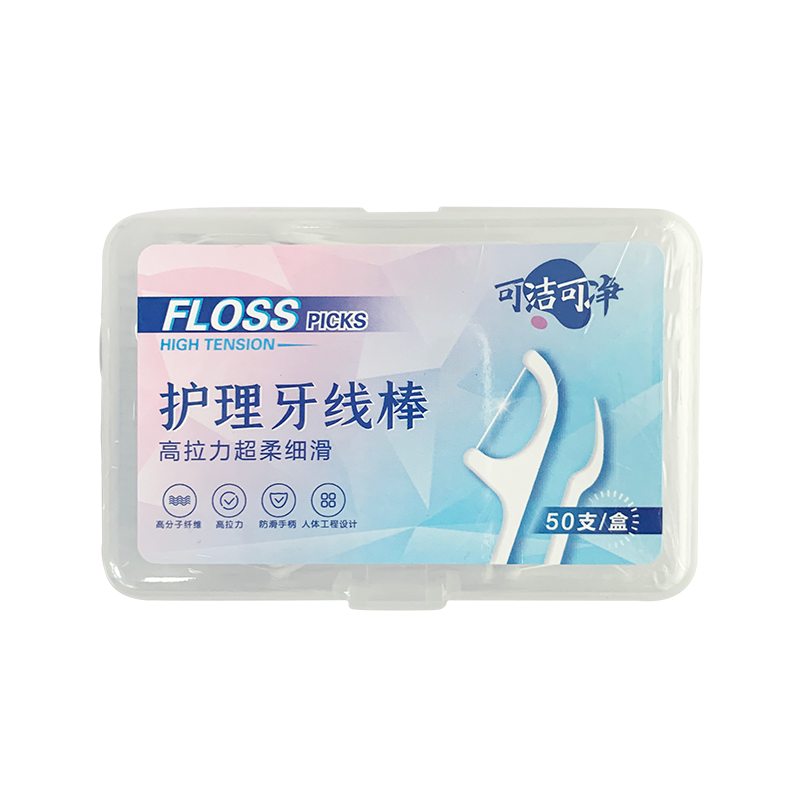
- Easier one-handed use, ideal for travel or the office
- Better reach for back teeth compared to wrapped floss
- Simple for children and beginners to learn proper technique
- Convenient for quick cleaning after meals or snacks
How to Use Dental Floss Sticks Correctly
While floss sticks are easy to use, proper technique still matters for effective plaque removal and gum health. Rushing through the process or using excessive force can cause gum irritation or bleeding, so it helps to follow a few simple steps each time.
Step-by-Step Technique
Begin by gently guiding the floss strand between two teeth using a slight back-and-forth motion rather than snapping it into place, which can hurt sensitive gums. Once the floss reaches the gumline, curve it into a C-shape against one tooth and slide it up and down two or three times to remove plaque and debris. Repeat the same motion against the neighboring tooth before moving on to the next gap.
It is important to use a clean section of floss for each gap whenever possible. Since floss sticks come with a fixed strand, using a fresh stick for different areas of the mouth—or at least rinsing the strand between uses—helps prevent transferring bacteria from one spot to another.
When to Floss
Dentists generally recommend flossing at least once a day, ideally before brushing at night. This order allows fluoride from toothpaste to reach areas that have just been cleared of food particles and plaque, maximizing its protective effect. Flossing after meals with a floss stick can also be a helpful habit for people prone to food getting stuck between teeth.
Types of Dental Floss Sticks
Not all floss sticks are the same. Manufacturers offer different materials and designs to suit various needs, from tighter tooth spacing to sensitive gums. The table below outlines common types available on the market.
| Type | Best For | Key Feature |
| Waxed Floss Picks | Tight tooth spacing | Glides smoothly without shredding |
| Flavored Floss Picks | Fresh breath preference | Mint or fruit coating for taste |
| Dual-Tip Floss Picks | Removing larger debris | Pointed pick on one end |
| Expanding Floss Picks | Wider gaps between teeth | Floss expands to cover more surface area |
| Biodegradable Floss Picks | Eco-conscious users | Made from plant-based or compostable materials |
Common Mistakes to Avoid
Even with a simple tool like a floss stick, certain habits can reduce its effectiveness or cause harm over time. Being aware of these mistakes can help you get the most out of your daily routine.
- Forcing the floss too hard between tight teeth, which can damage gum tissue
- Reusing the same stick across the entire mouth without rinsing
- Skipping the back teeth because they are harder to reach
- Only moving the floss up and down without curving it around each tooth
- Flossing too quickly instead of taking time at each gap
Tips for Choosing the Right Floss Sticks
Selecting the right floss stick depends largely on your personal needs and the spacing between your teeth. If you have naturally tight contacts between teeth, a thin waxed floss will glide more easily without breaking or fraying. For those with larger gaps or dental work such as bridges, an expanding or thicker floss may provide more thorough cleaning.
People with sensitive gums should look for softer, more flexible picks with rounded handles that reduce pressure during use. If sustainability is a priority, biodegradable options made from materials like corn starch or bamboo offer a more environmentally friendly alternative to standard plastic sticks. Trying a few different types can help you determine which texture and shape feels most comfortable for daily use.
Are Floss Sticks as Effective as String Floss?
Dental professionals generally agree that floss sticks can be just as effective as traditional string floss when used correctly and consistently. The most important factor is not the tool itself but whether flossing becomes a regular part of your daily routine. Since floss sticks are easier for many people to use correctly, they may actually lead to more consistent flossing habits overall.
However, string floss may offer slightly more flexibility for wrapping around unusually shaped teeth or navigating very tight spaces, since users can adjust the length and angle as needed. For most people with average tooth spacing, though, the difference in effectiveness between the two methods is minimal. The best choice ultimately comes down to which tool you are more likely to use every single day without skipping.
We will provide a professional and reasonable quotation
as soon as possible for any customer inquiries.