English
 русский
 Español

How Do You Choose the Right Manual Toothbrush for Your Teeth?
Content
Why Manual Toothbrushes Are Still a Reliable Choice
Despite the growing popularity of electric toothbrushes, manual toothbrushes remain a widely used and effective tool for everyday oral care. Dental associations generally agree that a manual toothbrush, when used correctly with proper technique, can remove plaque and food debris just as effectively as an electric model for most people. Manual toothbrushes are also more affordable, easier to travel with, and do not require charging or batteries, which makes them a practical default for many households.
That said, not all manual toothbrushes are built the same way, and choosing the right one involves more than grabbing whatever is on sale at the pharmacy. Bristle type, head size, handle design, and replacement frequency all play a role in how effectively a toothbrush cleans and how comfortable it feels during daily use.
Understanding Bristle Firmness and Its Impact on Gum Health
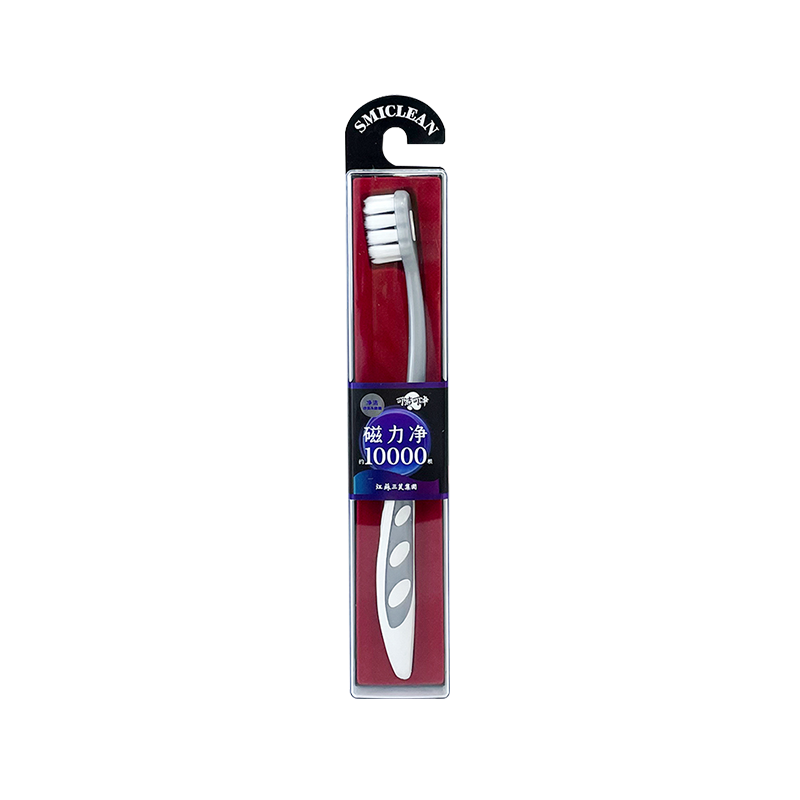
Bristle firmness is one of the most important factors to consider, and it is often where people make the wrong choice. Toothbrushes are typically sold in soft, medium, and firm bristle varieties, but dental professionals overwhelmingly recommend soft bristles for the vast majority of users. Firm bristles may feel like they are cleaning more aggressively, but they can actually wear down tooth enamel and irritate or recede gum tissue over time, particularly with repeated use.
| Bristle Type | Best For | Considerations |
| Soft | Most users, including those with sensitive gums | Recommended by most dental professionals for daily use |
| Medium | Users with strong enamel and no gum sensitivity | Can still cause wear if brushing pressure is too heavy |
| Firm | Rarely recommended for regular brushing | Higher risk of enamel abrasion and gum recession |
Why Soft Bristles Are Usually the Safer Default
Soft bristles are flexible enough to reach along the gumline and between teeth without causing trauma to soft tissue, while still being effective at disrupting plaque buildup. People who brush with excessive pressure are especially prone to gum recession regardless of bristle type, so pairing soft bristles with a gentle, controlled brushing technique offers the best combination of cleaning power and long-term gum protection.
Choosing the Right Head Size and Shape
Head size affects how easily a toothbrush can maneuver around the mouth, particularly toward the back molars where plaque tends to accumulate. A head that is too large can make it difficult to reach these areas thoroughly, while a smaller head generally offers better control and access, especially for people with smaller mouths or those prone to a strong gag reflex.
Head shape also matters. Rectangular heads with flat bristle trims are common and effective for general use, while tapered or angled heads are often designed to improve access to back teeth and hard-to-reach corners of the mouth. Some manual toothbrushes feature multi-level bristles, with some strands cut shorter and others longer, which can help clean along the gumline and between teeth more effectively than a flat, uniform bristle surface.
Handle Design and Grip Considerations
While handle design may seem like a minor detail, it directly affects brushing control and consistency. A handle with a non-slip rubberized grip helps maintain control even when hands are wet, reducing the tendency to grip too tightly, which often leads to excessive brushing pressure. Ergonomic handles with a slight curve or flexible neck can also help distribute pressure more evenly and reduce strain during longer brushing sessions.
For children, seniors, or individuals with limited hand dexterity due to arthritis or other conditions, a thicker handle is often easier to grip securely. Some manual toothbrushes are specifically designed with built-up or contoured handles to accommodate these needs, making it worth considering handle thickness alongside bristle and head design when shopping for a toothbrush that suits a specific user.
How Often to Replace a Manual Toothbrush
Most dental professionals recommend replacing a manual toothbrush every three to four months, or sooner if the bristles begin to fray, splay outward, or lose their shape. Worn bristles lose their ability to effectively clean between teeth and along the gumline, which reduces overall plaque removal even if the brush still looks usable at first glance.
- Replace the toothbrush immediately after recovering from a cold, flu, or other illness to avoid reintroducing bacteria
- Check bristles monthly for visible fraying, splaying, or discoloration that indicates wear
- Store the toothbrush upright and allow it to air dry fully between uses to reduce bacterial growth
- Avoid sharing toothbrushes, even briefly, since this can transfer bacteria and increase the risk of infection
Using Proper Technique for Better Results
Even the best-designed manual toothbrush will not perform well without correct brushing technique. Dental professionals generally recommend holding the toothbrush at a 45-degree angle toward the gumline and using short, gentle strokes rather than aggressive back-and-forth scrubbing. This angle allows the bristles to reach slightly beneath the gumline where plaque commonly accumulates, without causing unnecessary abrasion to the gum tissue itself.
Brushing for a full two minutes, covering all surfaces of each tooth including the outer, inner, and chewing surfaces, ensures more thorough plaque removal than rushing through the process. Many people unconsciously spend more time on the front teeth, which are more visible, while neglecting the back molars and inner surfaces facing the tongue. Being mindful of covering all quadrants of the mouth evenly, combined with the right toothbrush for individual needs, gives manual brushing the best chance of matching or even exceeding the results of more expensive electric alternatives.
We will provide a professional and reasonable quotation
as soon as possible for any customer inquiries.