English
 русский
 Español

Can Sensitive Toothpaste Prevent Sensitivity From Hot and Cold?
Content
Tooth sensitivity is a common dental concern, particularly when consuming hot or cold foods and beverages. Sensitive toothpaste is specifically formulated to alleviate this discomfort by targeting exposed dentin and strengthening tooth enamel. This article explores how sensitive toothpaste works, its effectiveness in preventing pain, and the best practices for managing dental sensitivity.
Understanding Tooth Sensitivity
Tooth sensitivity, or dentin hypersensitivity, occurs when the protective enamel wears down or gums recede, exposing the dentin layer beneath. This exposure allows temperature changes and certain foods to trigger nerve responses, causing sharp pain. Common triggers include hot drinks, ice-cold beverages, acidic foods, and sweet treats.
How Sensitive Toothpaste Works
Nerve Desensitization
Sensitive toothpaste often contains compounds like potassium nitrate, which penetrate the dentin tubules to calm nerve endings. Over time, this reduces the pain response when exposed to temperature fluctuations.
Enamel and Dentin Protection
Ingredients such as fluoride and calcium compounds help remineralize enamel and block exposed dentin tubules. This creates a protective barrier that prevents hot and cold stimuli from directly reaching the nerves.
Key Ingredients in Sensitive Toothpaste
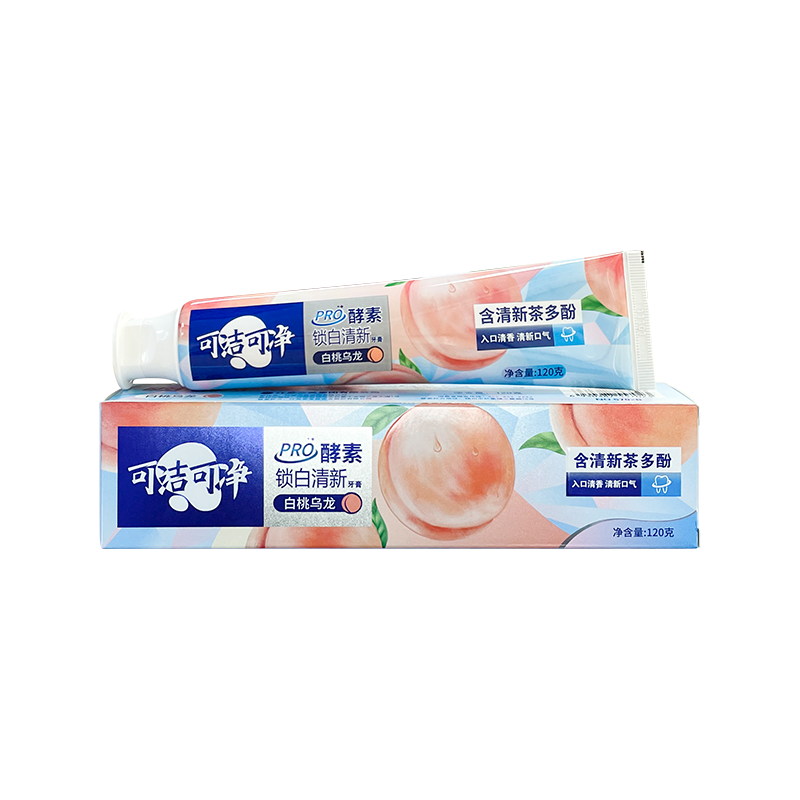
- Potassium nitrate – soothes nerve activity to reduce pain.
- Stannous fluoride – strengthens enamel and blocks dentin tubules.
- Arginine and calcium carbonate – helps seal dentin and maintain mineral balance.
- Strontium acetate – works similarly to potassium nitrate to reduce sensitivity.
- Sodium fluoride – promotes enamel remineralization and overall tooth strength.
Effectiveness for Hot and Cold Sensitivity
Regular use of sensitive toothpaste can significantly reduce the discomfort caused by hot and cold stimuli. Clinical studies show that pain reduction can be noticeable within 2–4 weeks of consistent brushing. The effectiveness depends on proper application, twice-daily use, and choosing a product with clinically proven ingredients.
Duration of Relief
While sensitive toothpaste can provide long-term relief, individual results may vary. Some users experience immediate improvement, while others require consistent use over several weeks. Combining toothpaste use with good oral hygiene practices maximizes protective benefits.
Tips for Maximizing Effectiveness
- Brush gently with a soft-bristled toothbrush to avoid further enamel wear.
- Use fluoride mouth rinses to enhance enamel protection.
- Avoid acidic and sugary foods that can exacerbate sensitivity.
- Maintain regular dental check-ups to monitor enamel and gum health.
- Apply toothpaste directly to sensitive areas for added protection.
Comparing Brands and Types
Not all sensitive toothpastes are created equal. Some are specifically formulated for daily sensitivity relief, while others combine whitening or tartar control features. When selecting a toothpaste, look for products with active desensitizing agents and fluoride to ensure optimal results.
Natural Alternatives
For those seeking natural or fluoride-free options, toothpastes with herbal extracts, hydroxyapatite, or arginine can offer mild sensitivity relief. While they may be less potent than traditional formulations, they provide an alternative for individuals with specific preferences.
Precautions and Considerations
Sensitive toothpaste is generally safe for daily use. However, persistent pain despite regular use may indicate underlying dental issues such as cavities, gum disease, or enamel erosion. Consulting a dentist is recommended for diagnosis and tailored treatment options.
Conclusion
Sensitive toothpaste is a practical and effective solution for preventing discomfort caused by hot and cold foods and beverages. By calming nerve responses and reinforcing enamel protection, these products can significantly improve daily comfort. Consistent use, proper brushing techniques, and choosing the right ingredients are key to long-term relief and oral health maintenance.
We will provide a professional and reasonable quotation
as soon as possible for any customer inquiries.