English
 русский
 Español

Why Are Dental Floss Sticks Essential for Daily Oral Hygiene?
Content
- 1 What Are Dental Floss Sticks and How Do They Work?
- 2 What Types of Dental Floss Sticks Are Available?
- 3 How Do Dental Floss Sticks Improve Oral Health?
- 4 How to Use Dental Floss Sticks Correctly?
- 5 What Should You Consider When Choosing Dental Floss Sticks?
- 6 Are Dental Floss Sticks Suitable for Children and Elderly Users?
- 7 Conclusion: Are Dental Floss Sticks the Best Tool for Interdental Cleaning?
Dental floss sticks have become one of the most convenient and effective tools for maintaining oral health. While traditional floss remains widely used, floss sticks offer an easy-to-hold design that improves accessibility, technique, and consistency in cleaning between teeth. This article explores the structure, benefits, applications, types, and best-use guidelines for dental floss sticks, offering a thorough understanding for consumers, dental professionals, and product developers.
What Are Dental Floss Sticks and How Do They Work?
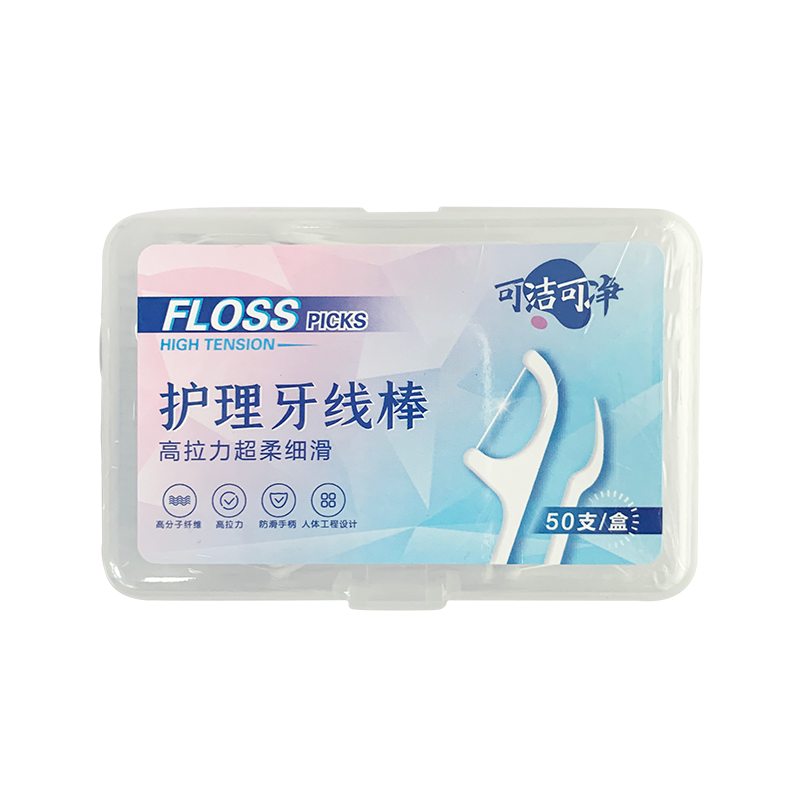
Dental floss sticks, also known as floss picks, are handheld oral-care tools that combine a plastic handle with a short, pre-strung floss segment. Their primary purpose is to remove plaque, food debris, and biofilm from interdental spaces where toothbrush bristles cannot reach. The built-in handle design improves ease of operation, reduces hand fatigue, and allows users to clean efficiently with one hand.
Basic Structure of a Dental Floss Stick
Most floss sticks consist of a Y-shaped or F-shaped plastic frame that holds a tensioned piece of floss. Some models also include a pointed tail that functions as a toothpick. The floss itself varies depending on tensile strength, texture, coating, and slip characteristics. These variations allow users to choose the product that best matches their gum sensitivity and tooth spacing.
| Component | Function |
| Plastic Handle | Provides grip and stability during flossing |
| Fixed Floss Strand | Removes plaque and debris between teeth |
| Pointed Tip | Acts as a toothpick for wider spaces |
What Types of Dental Floss Sticks Are Available?
The variety of dental floss sticks has significantly expanded due to consumer demand for comfort, durability, and hygiene performance. Below are the most common types on the market.
Waxed Floss Sticks
Waxed floss sticks use a coated thread that glides smoothly between tight teeth. They reduce friction and are ideal for individuals with sensitive gums or closely aligned teeth. The wax helps minimize breakage and provides a gentle yet effective cleaning experience.
Unwaxed Floss Sticks
Unwaxed floss has a slightly rougher texture that can help remove plaque more effectively in some cases. These sticks offer a squeaky-clean feeling, but may not slide as easily between tightly spaced teeth.
PTFE (Glide) Floss Sticks
PTFE floss is known for its ultra-smooth surface and resistance to shredding. These floss sticks are ideal for navigating extremely tight gaps. PTFE maintains strength even under high tension and provides a comfortable flossing experience.
Flavored Dental Floss Sticks
Flavored floss sticks, such as mint or cinnamon, help freshen breath while cleaning between teeth. They are especially popular among younger users or those seeking a more pleasant hygiene routine.
Eco-Friendly Dental Floss Sticks
As sustainability becomes increasingly important, biodegradable floss sticks made from cornstarch-based plastics or bamboo handles are gaining popularity. These eco-conscious alternatives provide effective cleaning with reduced environmental impact.
How Do Dental Floss Sticks Improve Oral Health?
Dental floss sticks offer multiple oral-care benefits. Their ease of use encourages individuals to floss more frequently, which directly improves gum health, reduces plaque buildup, and lowers the risk of tooth decay and periodontal disease.
Key Health Benefits
- Remove plaque and food debris from interdental spaces
- Help prevent gum inflammation and gingivitis
- Reduce the likelihood of cavities forming between teeth
- Improve overall breath freshness and oral cleanliness
- Promote consistent flossing habits due to convenience
How to Use Dental Floss Sticks Correctly?
Proper use is essential for maximizing the cleaning efficiency of dental floss sticks. Incorrect technique may cause gum irritation or ineffective cleaning. Below are recommended steps supported by dental professionals.
Step-by-Step Usage Guide
- Hold the floss stick firmly with your fingers for stability.
- Gently guide the floss between teeth using a back-and-forth motion.
- Curve the floss into a “C” shape around each tooth surface.
- Move the floss up and down to remove plaque without snapping into the gums.
- Repeat for every tooth, including the back molars.
What Should You Consider When Choosing Dental Floss Sticks?
Choosing the right floss stick depends on tooth structure, gum sensitivity, personal preference, and environmental consciousness. Below are practical factors to consider when selecting a product.
Key Selection Factors
- Thickness and durability of the floss thread
- Material of the handle (plastic, bamboo, biodegradable)
- Presence of flavor coatings for enhanced freshness
- Strength of the floss for tight or wide spaces
- Eco-friendly options for sustainable users
Are Dental Floss Sticks Suitable for Children and Elderly Users?
Yes, floss sticks are often recommended for children, seniors, and individuals with limited dexterity because they are easier to grip and manipulate than traditional floss. Some manufacturers even produce child-friendly versions with fun colors, softer floss, and ergonomic shapes.
Conclusion: Are Dental Floss Sticks the Best Tool for Interdental Cleaning?
Dental floss sticks offer a practical, user-friendly solution for maintaining interdental hygiene. While they may not replace traditional floss or interdental brushes entirely, their convenience, durability, and accessible design make them an excellent daily hygiene tool for most individuals. By choosing the right type and using the correct technique, users can significantly improve oral health and reduce long-term dental risks.

We will provide a professional and reasonable quotation
as soon as possible for any customer inquiries.