English
 русский
 Español

Which Oral Hygiene Products Do You Actually Need for a Complete and Effective Dental Care Routine?
Content
- 1 Why a Multi-Product Oral Hygiene Routine Matters More Than Most People Realize
- 2 Toothbrushes: Manual vs. Electric and How to Choose Correctly
- 3 Toothpaste: Key Ingredients and What They Actually Do
- 4 Interdental Cleaning Products: Floss, Picks, and Water Flossers Compared
- 5 Mouthwash and Mouth Rinses: Therapeutic vs. Cosmetic
- 6 Tongue Cleaners, Dental Gum, and Supplementary Oral Hygiene Products
- 7 Building an Effective Daily Oral Hygiene Product Routine
Why a Multi-Product Oral Hygiene Routine Matters More Than Most People Realize
Most people consider brushing their teeth twice a day a complete oral hygiene routine. In reality, a toothbrush alone — even used perfectly — can only clean approximately 60% of tooth surfaces. The remaining 40% consists of interproximal spaces between teeth, the gumline crevice, and the soft tissues of the tongue and cheeks, all of which require dedicated tools and products to clean effectively. The consequences of incomplete oral hygiene accumulate slowly and silently: plaque hardens into calculus within 24 to 72 hours if not removed, and calculus cannot be eliminated by any home care product — only by professional scaling. This progression from plaque to calculus to gingivitis to periodontitis is entirely preventable, but only if the right oral hygiene products are used correctly and consistently as part of a complete daily routine.
Beyond preventing disease, a well-constructed oral hygiene regimen directly affects systemic health. Research has established clear associations between chronic periodontal disease and conditions including cardiovascular disease, type 2 diabetes, adverse pregnancy outcomes, and respiratory infections. The oral cavity is the entry point to the body, and the bacterial species that proliferate in a poorly maintained mouth do not remain localized — they enter the bloodstream through inflamed gingival tissue and travel to distant organ systems. Understanding which oral hygiene products address which specific risks is therefore not merely a matter of cosmetic dental care but of comprehensive health management.
Toothbrushes: Manual vs. Electric and How to Choose Correctly
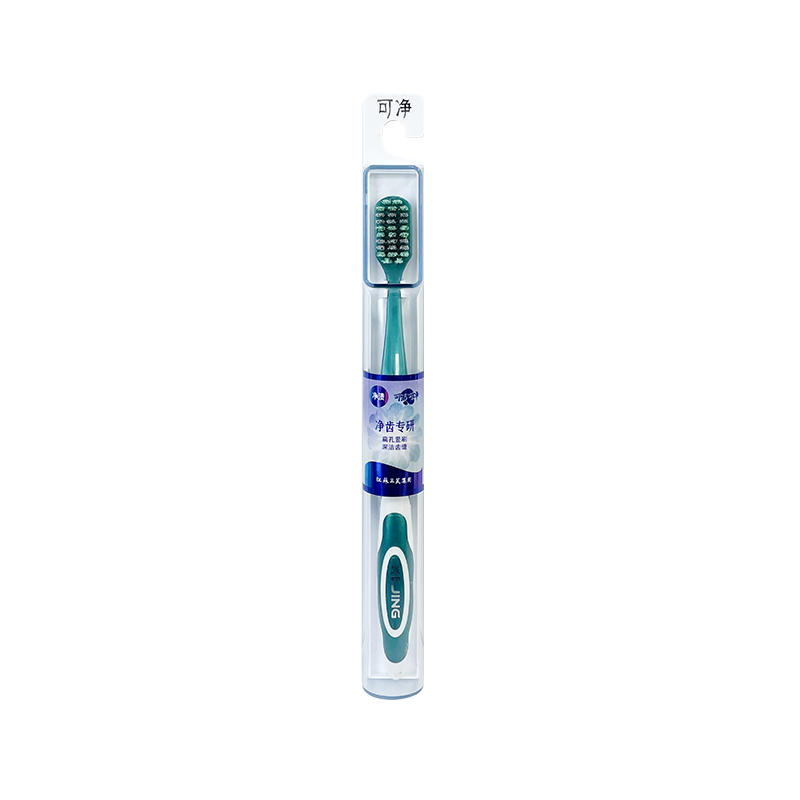
The toothbrush remains the cornerstone of any oral hygiene product system, and the choice between manual and powered options has more clinical relevance than many consumers appreciate. Manual toothbrushes are effective when used with correct technique — a modified Bass method involving a 45-degree angle to the gumline, short horizontal strokes, and systematic coverage of all surfaces — but studies consistently show that most people do not maintain this technique for the full two minutes required to adequately clean all tooth surfaces. Electric toothbrushes, particularly oscillating-rotating types with round brush heads, compensate for technique inconsistency by generating significantly more brush strokes per minute than manual brushing and by providing timer functions that ensure adequate brushing duration.
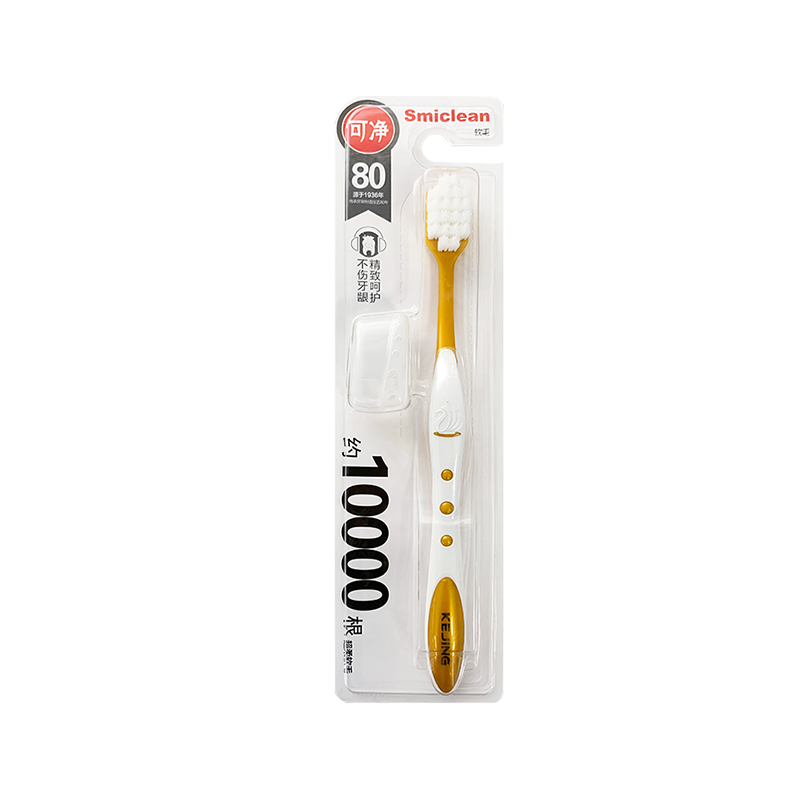
Bristle hardness is a frequently misunderstood specification. Soft or extra-soft bristles are universally recommended by dental professionals because they flex to access the gumline sulcus without abrading enamel or traumatizing gingival tissue. Medium and hard bristles provide no additional plaque removal benefit and are associated with gingival recession and cervical abrasion lesions — irreversible damage that accumulates over years of incorrect brushing. Regardless of whether you choose manual or electric, replacing the brush head every three months is essential, as worn bristles lose their cleaning efficacy and can harbor bacterial biofilm within the filament tufts.
Toothpaste: Key Ingredients and What They Actually Do
Toothpaste functions primarily as a delivery vehicle for active therapeutic agents, and the ingredient list on any toothpaste tube determines which specific oral health benefits the product provides. Understanding these ingredients allows consumers to select products matched to their individual risk profile rather than defaulting to whatever is most prominently marketed.
- Fluoride: The single most evidence-supported active ingredient in toothpaste. Fluoride ions integrate into the hydroxyapatite crystal structure of enamel to form fluorapatite, which is significantly more resistant to acid dissolution than natural enamel. Standard adult toothpastes contain 1,000–1,450 ppm fluoride, while high-strength prescription formulations contain up to 5,000 ppm for patients with high caries risk. Children under six should use low-fluoride formulations (500–1,000 ppm) to minimize fluoride ingestion risk during the period when permanent teeth are still forming.
- Potassium Nitrate and Stannous Fluoride: Both agents are used in sensitivity toothpastes. Potassium nitrate works by depolarizing the nerve endings within dentinal tubules, reducing their ability to transmit pain signals. Stannous fluoride occludes the tubule openings with tin-fluoride precipitates, providing a physical barrier against thermal and osmotic stimuli. Stannous fluoride formulations additionally deliver antimicrobial benefits through their activity against the gram-negative anaerobic bacteria associated with gingivitis and periodontal disease.
- Triclosan and Zinc Citrate: Antimicrobial agents incorporated into some toothpastes to reduce plaque formation and gingivitis. Zinc citrate inhibits calculus formation by interfering with crystal growth in mineralizing plaque. Triclosan has faced increased regulatory scrutiny in recent years due to concerns about environmental persistence and potential endocrine disruption, and has been removed from many formulations.
- Whitening Abrasives and Peroxides: Over-the-counter whitening toothpastes use mild abrasives such as hydrated silica or calcium carbonate to remove surface stains mechanically. Some formulations additionally incorporate low concentrations of hydrogen peroxide for limited intrinsic whitening effect. The abrasive index (RDA value) of any toothpaste should ideally be below 250 — values above this threshold risk enamel and dentine abrasion with long-term daily use.
Interdental Cleaning Products: Floss, Picks, and Water Flossers Compared
Interdental cleaning is the component of oral hygiene most commonly neglected and most frequently cited as the primary factor in preventable gum disease. The interproximal surfaces where teeth contact each other are the most common sites for both caries initiation and periodontal pocket formation, and these surfaces are entirely inaccessible to toothbrush bristles regardless of technique or brush type. A dedicated interdental cleaning product is therefore not optional — it is the essential complement to toothbrushing that completes the oral hygiene routine.
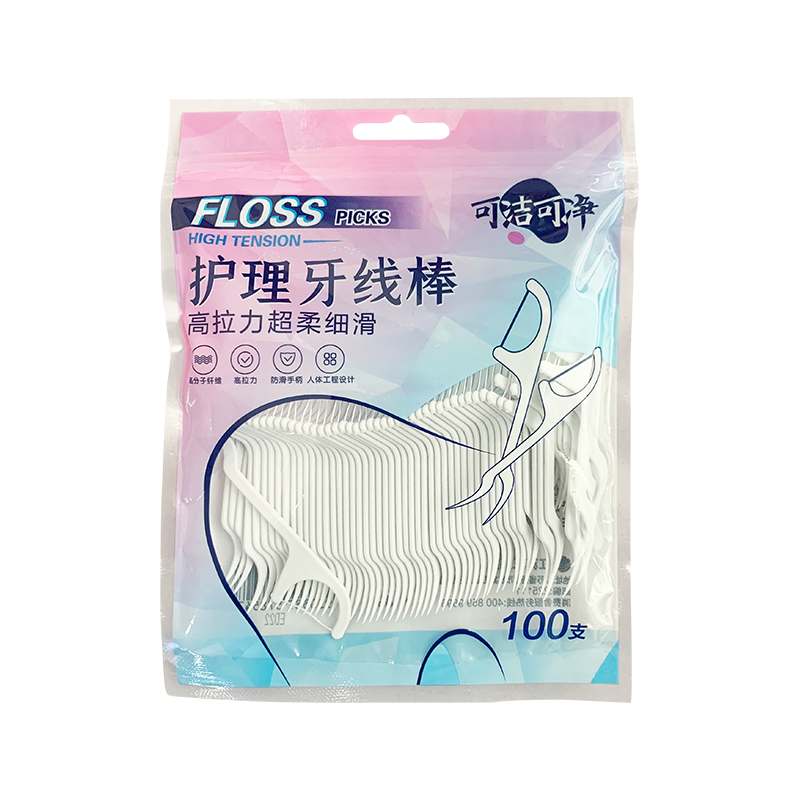
Dental Floss
Traditional dental floss remains the gold standard interdental cleaning tool endorsed by dental associations worldwide. Waxed floss slides more easily through tight contact points and is less prone to shredding on sharp restoration margins, making it the better choice for most adults. Unwaxed floss produces an audible squeaking sound against clean enamel that some users find useful as a tactile feedback indicator of effective plaque removal. Correct technique requires wrapping the floss in a C-shape around each tooth and sliding it beneath the gumline to disrupt the bacterial biofilm in the gingival sulcus — simply snapping floss through the contact point without adapting it to the tooth surface is ineffective and can traumatize the interdental papilla.
Interdental Brushes
For patients with open interdental spaces — common in adults with any degree of gingival recession or periodontal bone loss — interdental brushes outperform floss in plaque removal efficacy and are generally easier to use correctly. These small cylindrical or conical brushes are available in a range of sizes from approximately 0.6mm to 1.5mm diameter, and selecting the correct size for each interdental space is critical: the brush should fit snugly without forcing and should be able to contact both teeth as it passes through. Many patients require two or three different brush sizes for different areas of the mouth. Interdental brushes should be replaced when the wire core shows any sign of bending or the bristles are visibly worn.
Water Flossers
Water flossers (oral irrigators) use a pulsating stream of water delivered under pressure to flush debris and disrupt bacterial biofilm from interdental spaces and the gingival sulcus. Clinical evidence supports water flossers as more effective than string floss for reducing gingival bleeding and inflammation in patients with gingivitis, braces, implants, or fixed bridges — areas where conventional floss is difficult to use correctly. Water flossers do not completely replace floss in terms of plaque removal from tight tooth contacts, but they are an excellent complement to brushing for patients who struggle with flossing technique or have complex restorative situations.
Mouthwash and Mouth Rinses: Therapeutic vs. Cosmetic
The mouthwash category encompasses a wide spectrum of products ranging from purely cosmetic breath fresheners to clinically validated therapeutic rinses with measurable effects on plaque, gingivitis, and caries risk. Understanding the distinction between these categories prevents consumers from expecting clinical benefits from products designed only for temporary freshness, and ensures that patients who need therapeutic benefit select appropriately formulated products.
| Rinse Type | Key Active Ingredient | Primary Benefit | Best For |
| Fluoride Rinse | 0.05–0.2% NaF | Caries prevention, enamel remineralization | High caries risk patients, dry mouth |
| Chlorhexidine Rinse | 0.12–0.2% CHX | Broad-spectrum antimicrobial, plaque reduction | Post-surgical, active gingivitis |
| Essential Oil Rinse | Thymol, eucalyptol, menthol | Plaque and gingivitis reduction | General maintenance, long-term daily use |
| Cetylpyridinium Rinse | 0.05–0.1% CPC | Antimicrobial, breath freshening | Mild gingivitis, halitosis management |
| Cosmetic Rinse | Flavoring, alcohol | Temporary breath freshening only | Cosmetic use, not therapeutic |
Chlorhexidine is the most potent antimicrobial rinse available without prescription, but it carries significant limitations for long-term daily use: it causes brown staining of teeth and tongue, alters taste perception, and can disrupt the oral microbiome balance with extended use. It is best reserved for short-term therapeutic courses prescribed by a dental professional for specific indications such as post-extraction healing or acute gingivitis management, not for routine daily use as a maintenance product.
Tongue Cleaners, Dental Gum, and Supplementary Oral Hygiene Products
Beyond the core products of toothbrush, toothpaste, interdental cleaner, and mouthwash, several supplementary oral hygiene products address specific concerns that the core routine does not fully cover. Incorporating the right supplementary products for your individual needs can significantly enhance the completeness of your oral hygiene regimen.
- Tongue Scrapers: The dorsal surface of the tongue harbors the largest bacterial reservoir in the oral cavity and is the primary source of volatile sulfur compounds responsible for halitosis. Tongue scrapers — both plastic U-shaped scrapers and stainless steel versions — are more effective than toothbrushes at removing the soft coating from the tongue surface. Daily tongue scraping, performed from posterior to anterior in three to five strokes, measurably reduces oral bacterial load and halitosis scores in clinical studies.
- Sugar-Free Xylitol Gum: Chewing sugar-free gum stimulates salivary flow, which is the mouth's primary natural defense mechanism against both caries and periodontal disease. Saliva buffers acid produced by fermentable carbohydrate metabolism, delivers calcium and phosphate ions for passive remineralization, and mechanically washes food debris from tooth surfaces. Xylitol — a five-carbon sugar alcohol — additionally inhibits the growth and acid production of Streptococcus mutans, the primary caries-causing bacterium. Chewing xylitol gum for five minutes after meals when toothbrushing is not immediately possible provides meaningful caries protection as part of a complete oral hygiene strategy.
- Fluoride Varnish and Remineralizing Agents: Professional-strength fluoride varnishes applied by dental practitioners deliver very high fluoride concentrations directly to enamel surfaces at risk of caries. At-home remineralizing products containing casein phosphopeptide-amorphous calcium phosphate (CPP-ACP) or hydroxyapatite nanoparticles provide additional mineral substrate for enamel repair between professional applications, and are particularly beneficial for patients with early white spot lesions, dry mouth, or acid erosion from dietary or gastric sources.
- Denture Care Products: For patients with partial or complete dentures, standard toothpaste is too abrasive for acrylic denture materials and will scratch the surface, creating microscopic grooves that harbor Candida albicans — the fungus responsible for denture stomatitis. Dedicated denture cleansers, whether immersion tablets or non-abrasive pastes, maintain denture hygiene effectively without surface damage. Dentures should be removed nightly to allow mucosal tissue to recover and should never be slept in routinely.
Building an Effective Daily Oral Hygiene Product Routine
The effectiveness of any collection of oral hygiene products ultimately depends on how they are sequenced and how consistently they are used. The optimal routine sequence matters more than most people recognize — for example, using mouthwash immediately after brushing washes away the concentrated fluoride film left on tooth surfaces by toothpaste, negating a significant portion of its remineralizing benefit. A clinically optimal sequence places mouthwash use at a separate time from toothbrushing — either before brushing or at a different time of day such as after lunch.
The recommended daily oral hygiene product sequence for most adults with average caries and periodontal risk is: interdental cleaning first (floss or interdental brushes) to disrupt plaque in the areas the toothbrush cannot reach, followed by toothbrushing with fluoride toothpaste for two full minutes, spitting out the toothpaste without rinsing to allow the fluoride to remain in contact with enamel surfaces, and performing tongue scraping as a final step. Therapeutic mouthwash, if used, should be deployed at a separate time — after lunch is a practical option that provides an additional antimicrobial and fluoride benefit at a time when most people perform no other oral hygiene. Supplementary products such as remineralizing gels or prescription-strength fluoride should be applied last in the evening routine after toothbrushing to maximize their contact time with tooth surfaces overnight.
We will provide a professional and reasonable quotation
as soon as possible for any customer inquiries.