English
 русский
 Español

How Do You Choose the Right Sanitary Pads for Your Needs?
Content
- 1 What Are Sanitary Pads and How Do They Work?
- 2 What Are the Different Types of Sanitary Pads Available?
- 3 How Do You Match Absorbency to Your Flow Level?
- 4 What Materials Should You Look for in Sanitary Pads?
- 5 How Do You Prevent Leaks and Discomfort When Wearing Sanitary Pads?
- 6 What Should You Avoid When Using Sanitary Pads?
What Are Sanitary Pads and How Do They Work?
Sanitary pads, also referred to as sanitary napkins or menstrual pads, are absorbent products worn inside the underwear to collect menstrual blood during a period. They are the most widely used menstrual product globally, favoured for their ease of use, accessibility, and the fact that they require no internal insertion. A standard sanitary pad consists of several functional layers working together: a soft topsheet that sits against the skin and allows fluid to pass through quickly, an absorbent core that locks moisture away from the surface, and a leak-proof backsheet that prevents fluid from soaking through to clothing. Many modern pads also incorporate side wings — adhesive flaps that fold under the underwear gusset — to anchor the pad in place and provide additional protection against side leakage.
The absorbent core is the most technically important layer. It is typically made from a combination of wood pulp fluff and superabsorbent polymers (SAP), the same material used in nappies, which can hold many times their own weight in fluid. Higher-absorbency pads contain more SAP and a thicker fluff core, while thin or ultra-thin pads achieve adequate absorbency with a more concentrated SAP layer and less bulk. The topsheet material varies between synthetic options like polypropylene — which moves fluid away from the surface efficiently — and natural alternatives like cotton, which many users find gentler against sensitive skin.
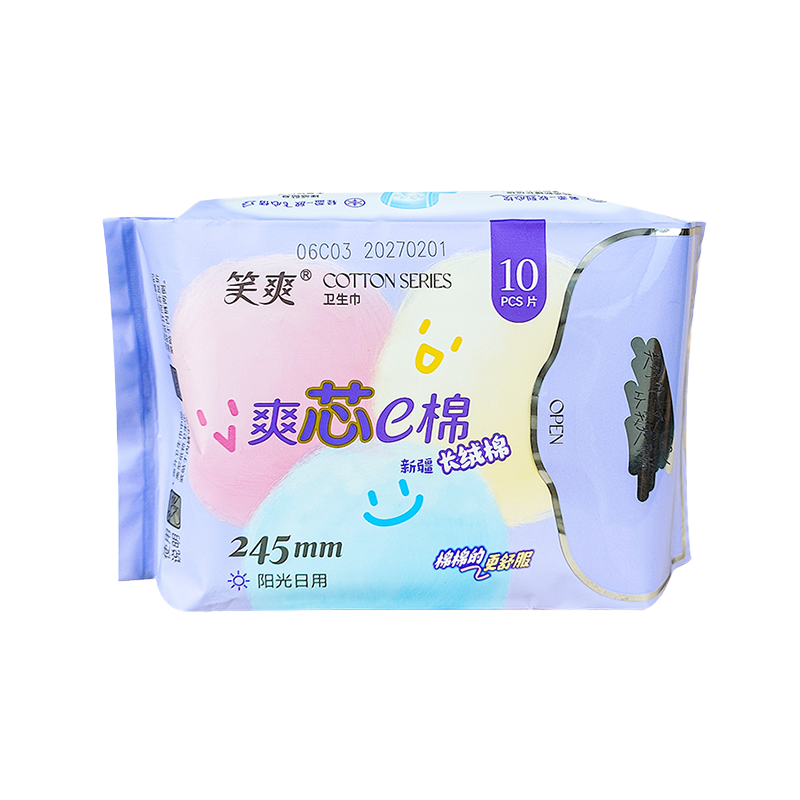
What Are the Different Types of Sanitary Pads Available?
The sanitary pad market offers a wide range of product types designed to match different flow levels, body shapes, activity levels, and personal preferences. Understanding the main categories helps you select a product that genuinely suits your needs rather than defaulting to whatever is most familiar.
Ultra-Thin Pads
Ultra-thin pads are engineered to be as discreet and lightweight as possible while still delivering reliable absorbency. They achieve this through a highly concentrated superabsorbent polymer core that requires less physical thickness than traditional fluff-based designs. These pads are barely noticeable when worn and are a popular choice for days when lighter flow and comfort take priority over maximum protection. They work particularly well for light to moderate flow days, for wearing under fitted clothing, and for active use during exercise. The trade-off is that ultra-thin pads can feel less cushioned against the skin than thicker options, which some people find less comfortable during heavier flow.
Maxi and Regular Pads
Maxi pads are thicker, more heavily cushioned, and built for higher absorbency. They are the standard choice for moderate to heavy flow days and for overnight use when the volume of flow increases with prolonged horizontal positioning. Regular pads occupy the middle ground — more substantial than ultra-thin options but not as bulky as overnight maxi pads. Both types generally include wings and are available in varying lengths, with longer versions providing additional back coverage for overnight protection. The additional thickness of maxi pads provides a physical buffer that many people find more comfortable and reassuring on heavier days.
Overnight Pads
Overnight pads are designed specifically for use during sleep. They are longer than standard pads — often extending further toward the back — to account for the different flow distribution that occurs when lying down. Many overnight pads also feature a wider back panel and enhanced leak barriers along the sides. The absorbent core in overnight products is built to handle several hours of continuous use without requiring a change, which is impractical during sleep. If you experience heavy overnight flow, pairing an overnight pad with period underwear or dark-coloured bedsheets provides additional reassurance without compromising sleep quality.
Panty Liners
Panty liners are the thinnest and smallest category of menstrual pad. They are not designed for period flow management but rather for light spotting at the beginning or end of a period, everyday discharge, or as a backup for other menstrual products such as tampons or menstrual cups. Panty liners are extremely slim and lightweight, making them virtually undetectable when worn. Using a full-size pad where a liner would suffice is unnecessary and less comfortable; similarly, using only a liner during moderate or heavy flow will result in leakage.
How Do You Match Absorbency to Your Flow Level?
Choosing the correct absorbency level is the single most important factor in avoiding leaks and discomfort. Using a pad with too little absorbency leads to overflow; using one with too much means you may wear it longer than is hygienic without noticing it needs changing. Most brands use a standardised flow rating system to guide selection, though the exact terminology varies between manufacturers.
| Flow Level | Description | Recommended Pad Type | Typical Change Frequency |
| Light | Spotting or very minimal flow | Panty liner or light pad | Every 4–6 hours |
| Moderate | Steady but manageable flow | Regular or ultra-thin pad | Every 3–4 hours |
| Heavy | Frequent soaking through lighter pads | Maxi or heavy-absorbency pad | Every 2–3 hours |
| Overnight | Extended wear during sleep | Overnight maxi pad | On waking or after 8 hours |
If you consistently find yourself soaking through a pad before three hours have passed, this is considered heavy flow and warrants both a higher-absorbency pad and a conversation with a healthcare provider, as very heavy periods can sometimes indicate underlying conditions such as fibroids or hormonal imbalances. Flow level also varies throughout a single period — most people experience heavier flow on days two and three, tapering to lighter flow toward the end — so it is entirely normal and advisable to switch between pad types across the duration of your period.
What Materials Should You Look for in Sanitary Pads?
The materials used in sanitary pad construction affect comfort, skin health, and environmental impact. For people with sensitive skin, vulvar dermatitis, or allergies, the choice of topsheet material in particular can significantly affect how a pad feels after hours of wear.
Conventional Synthetic Topsheets
Most mass-market sanitary pads use a polypropylene or polyethylene topsheet — a thin perforated film that allows fluid to pass through quickly and resists rewetting, keeping the surface feeling relatively dry. These materials are effective at fluid transfer and are cost-efficient to manufacture, which keeps product prices accessible. However, synthetic topsheets can feel less breathable than natural alternatives, and prolonged contact with a non-breathable surface in a warm, enclosed area can increase moisture and heat accumulation, which some users find uncomfortable or associated with skin irritation over time.
Cotton and Organic Cotton Topsheets
Cotton-surfaced pads have grown considerably in popularity, particularly among people with sensitive skin or those seeking more natural product options. Cotton is softer against the skin, more breathable than synthetic films, and less likely to cause friction-related irritation during extended wear. Organic cotton pads go a step further by using cotton grown without synthetic pesticides or fertilisers, and they are typically free from chlorine bleaching, added fragrances, and dyes — all of which are potential irritants. Clinical dermatology guidance increasingly supports the use of fragrance-free, dye-free menstrual products for anyone prone to vulvar sensitivity or contact dermatitis.
Reusable Cloth Pads
Reusable cloth pads represent a growing segment of the menstrual product market. Made from fabrics such as organic cotton, bamboo, or fleece, they are washed and reused across multiple cycles. A well-made reusable pad can last several years, dramatically reducing both the financial cost and environmental waste associated with disposable products. They require a washing routine — rinsing in cold water immediately after removal, then machine washing — which demands more effort than simply disposing of a used pad. For people with the time and inclination to manage this routine, reusable pads offer genuine advantages in terms of material quality, long-term cost savings, and reduced environmental footprint.
How Do You Prevent Leaks and Discomfort When Wearing Sanitary Pads?
Even a well-chosen sanitary pad will underperform if it is not positioned correctly or if the surrounding underwear does not support it adequately. Leaks are the most common complaint associated with pad use, and the majority are preventable with a few practical adjustments.
- Position the pad centred in the gusset of your underwear, with the wider end placed toward the back. Misalignment — even by a centimetre or two — is sufficient to cause side or back leakage during movement.
- Always fold the wings firmly underneath the underwear gusset and press them flat. Wings that are not properly secured peel away quickly during activity and provide no leakage protection once detached.
- Wear well-fitting underwear with a snug gusset. Loose or stretched underwear allows the pad to shift during movement, which is the most common cause of positional leakage. Full-coverage briefs or period underwear hold pads more securely than thong or bikini styles.
- Change your pad at regular intervals regardless of whether it appears full — every four to six hours is the general guidance for hygiene reasons, even on lighter flow days when absorbency capacity has not been reached.
- For heavy flow days or overnight use, choose a pad that is longer and wider than your standard daytime option. A pad that provides adequate coverage in the morning may be insufficient by afternoon when flow typically peaks.
What Should You Avoid When Using Sanitary Pads?
Certain common habits associated with sanitary pad use carry genuine health or comfort risks that are worth addressing directly. Being aware of these helps you maintain skin health and overall wellbeing throughout your period.
- Avoid wearing a single pad for longer than eight hours. Extended wear creates a warm, moist environment that encourages bacterial growth, increases odour, and raises the risk of skin irritation and infection.
- Avoid scented or deodorised pads if you have sensitive skin or a history of vulvar irritation. Fragrance compounds are among the most common contact allergens in menstrual products and provide no hygiene benefit — any odour associated with menstrual flow is eliminated by regular pad changes, not by added fragrance.
- Do not flush used sanitary pads down the toilet. Unlike toilet paper, pads do not break down in water and will cause serious blockages in both domestic plumbing and municipal sewage systems. Wrap used pads in their wrapper or in toilet paper and dispose of them in a bin.
- Avoid using pads as a substitute for medical attention if you experience sudden changes in flow volume, new pain, unusual discharge, or any symptoms that concern you. Heavy or irregular periods can be a sign of treatable conditions, and a sanitary product is not a solution for an underlying health issue.
Sanitary pads remain one of the most reliable, accessible, and user-friendly menstrual products available. With the right combination of absorbency level, material, size, and wearing technique, they provide effective protection and genuine comfort throughout every stage of your cycle.
We will provide a professional and reasonable quotation
as soon as possible for any customer inquiries.