English
 русский
 Español
 简体中文


Soft vs. Medium Toothbrushes: Which Bristle Type Is Better for Everyday Use?
Content
- 1 Are Soft or Medium Toothbrushes Better? The Short Answer
- 2 Why Soft Bristles Usually Win
- 3 When a Medium Toothbrush Might Make Sense
- 4 Technique Matters More Than the Bristle Label
- 5 Soft Bristles Can Still Be Dense and Effective
- 6 How to Choose for Your Own Mouth
- 7 A Note for Brand Teams Choosing Bristle Specifications
- 8 Common Questions About Soft and Medium Toothbrushes
If you have ever stood in the oral care aisle wondering whether a soft or medium toothbrush is the better buy, you are not alone. The short answer is that for most people, a soft toothbrush is the better daily choice. A medium brush can feel more effective because it is stiffer, but that extra firmness is not automatically a cleaning advantage. In many mouths, it simply leaves less room for brushing errors.
At Sanxiao, we have spent years working with toothbrush designs, bristle specifications, and production lines. That experience has made one thing clear: the best brush is not the stiffest one. It is the one that removes plaque consistently without asking your gums and enamel to absorb unnecessary wear.
Are Soft or Medium Toothbrushes Better? The Short Answer
Soft bristles are the safer default for everyday brushing. They can remove plaque effectively when used with decent technique, and they give you more forgiveness if you press a little too hard. Medium bristles sit between soft and hard. They may feel more “thorough,” but they are not the right starting point for most adults, and they are rarely the best choice for children or anyone with tender gums.
| Feature | Soft Bristles | Medium Bristles |
|---|---|---|
| Feel in the mouth | Gentle and flexible | Firmer and more rigid |
| Plaque removal | Effective with proper technique | Effective, but pressure control matters more |
| Gum comfort | More forgiving at the gumline | Higher risk of irritation if pressed hard |
| Enamel wear | Lower risk with normal use | Higher risk when combined with aggressive brushing |
| Best for | Most adults, children, sensitive gums | Selected healthy-gum brushers who want a firmer feel |
| Main caution | Replace when bristles splay | Do not use as a reason to scrub harder |
Why Soft Bristles Usually Win
Your teeth are covered by enamel, which is hard but not indestructible. Your gums are softer still. Brushing is a mechanical action, and firmer bristles deliver more force to the same small area. When that force is repeated twice a day, year after year, the gumline can begin to show the effects. Receding gums, exposed roots, and sensitivity are common problems that can be made worse by scrubbing with a stiff brush.
Soft bristles do not mean weak bristles. A well-made soft brush with rounded filament tips can sweep plaque from the tooth surface and along the gumline without the scratchy sensation that many people associate with medium brushes. The key is to let the bristles do the work. You do not need to dig into the tooth to clean it.
A soft brush with a practical head shape is often the easiest place to start. Our soft-bristle stain removal flat-hole toothbrush is one example of that approach, pairing gentle filaments with a design made for everyday cleaning rather than aggressive scrubbing.
 Soft-Bristle Stain Removal Flat-Hole ToothbrushA soft-bristle flat-hole toothbrush with tapered and spiral filaments for gentle plaque removal and stain care, useful as a baseline when comparing bristle firmness.View Product →
When a Medium Toothbrush Might Make Sense
There are situations where a medium brush is not automatically wrong. Some people with healthy gums and a light touch simply prefer the firmer feel, and some studies have found that firmer bristles can remove plaque well under controlled conditions. The catch is that real life is not a controlled study. Most people brush quickly, apply more pressure than they realize, and do not notice irritation until it has been building for a while.
If you want to try a medium brush, treat it as a short experiment rather than a permanent upgrade. Keep your pressure light, watch for gum tenderness or bleeding, and do not use it as a reason to scrub harder. Anyone with sensitive teeth, receding gums, recent dental work, or a history of gum problems should be especially cautious. A soft brush is usually the more sensible daily tool.
For healthy-gum brushers who want to feel the difference, our medium-bristle deep-cleaning gum special-shaped hole toothbrush offers a firmer option while still belonging to a careful brushing routine.
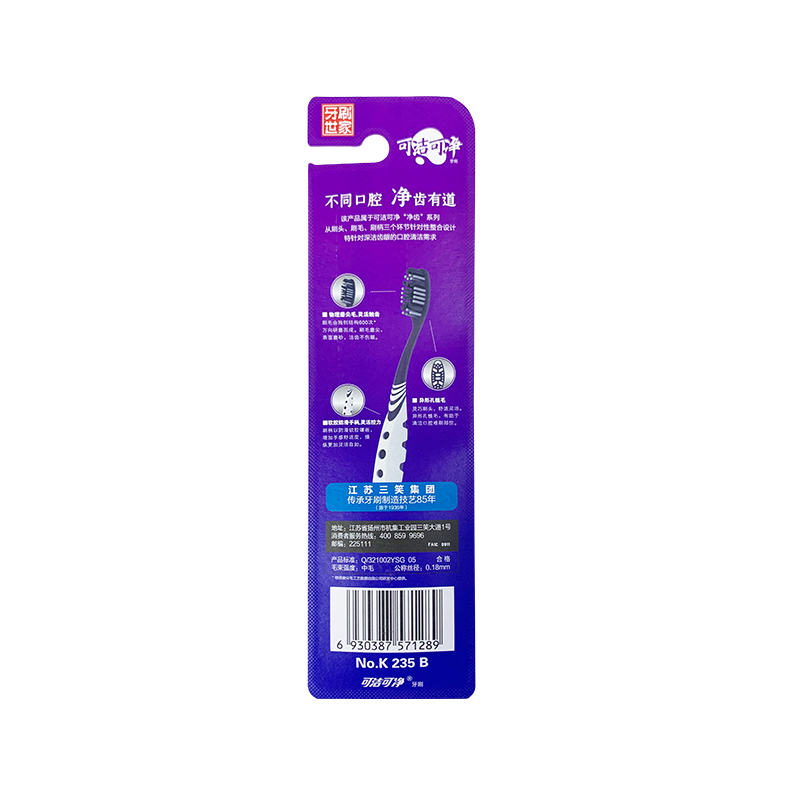 Medium-Bristle Deep-Cleaning Gum Special-Shaped Hole ToothbrushA firmer medium-bristle option with profiled holes, tapered cleaning bristles, tongue cleaner and gum-massage rubber, for healthy-gum brushers who want deep cleaning with careful technique.View Product →
Technique Matters More Than the Bristle Label
A soft brush used badly can still irritate the gums, and a medium brush used gently may be tolerable for some people. That is why technique deserves as much attention as bristle firmness. The best brush in the world will not help if it is pressed into the gumline like a scrubbing brush.
- Hold the brush at about a 45-degree angle to the gums and use short, gentle strokes.
- Think “massage,” not “scrub.” The bristles should flex slightly, not flatten against the tooth.
- Brush for two minutes twice a day, covering the front, back, and chewing surfaces.
- Do not forget the gumline and the back teeth, which are easy to skip when you are in a hurry.
- Replace the brush every three to four months, or sooner if the bristles look splayed.
If you notice bleeding, tenderness, or sensitivity that does not settle, do not try to brush harder. That is a signal to ease off and seek advice from a dental professional.
Soft Bristles Can Still Be Dense and Effective
Some people worry that a soft brush will feel flimsy or leave their mouth less clean. Bristle density, filament quality, and tufting pattern all affect how a brush performs. A dense soft brush can feel more substantial and cover the tooth surface efficiently without becoming harsh. This is one reason modern soft brushes can feel very different from the thin, sparse brushes some people remember.
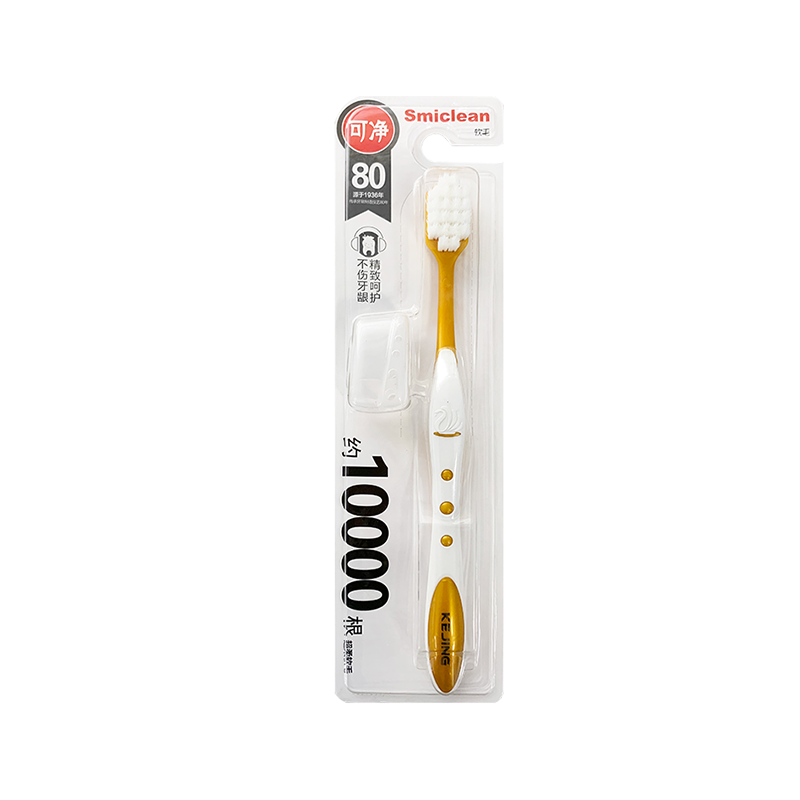
Our soft-bristles high-density carbon filament toothbrush reflects that idea: a soft feel combined with a dense bristle field for coverage. It is not about adding force. It is about giving the bristles more chances to reach plaque along the tooth surface and gumline.
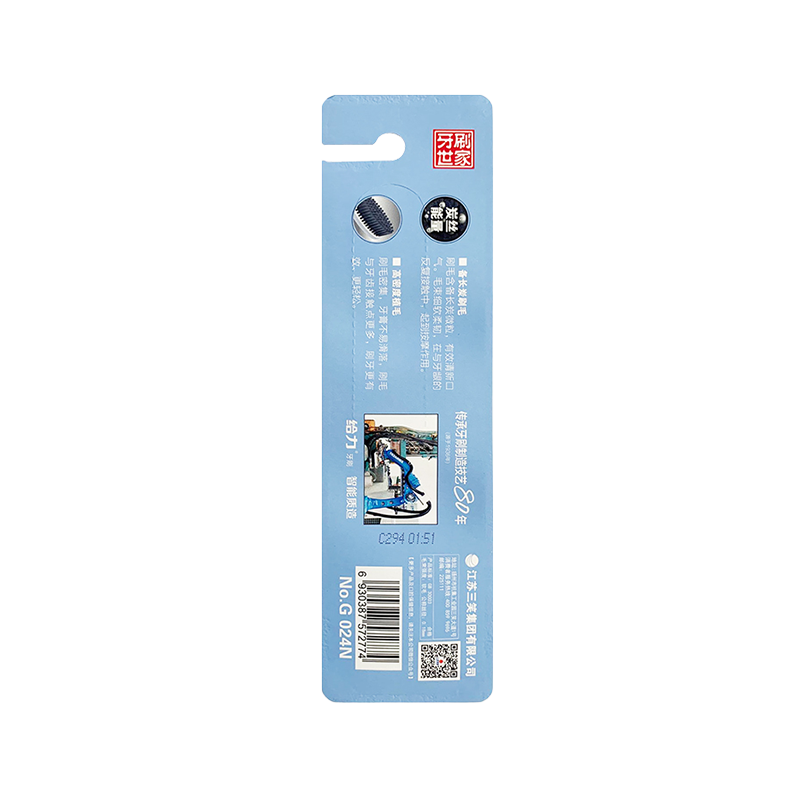 Soft-Bristle High-Density Carbon Filament ToothbrushAn ultra-soft, high-density carbon-filament brush for gentle coverage along teeth and gumline, useful for sensitive gums or anyone seeking a softer daily brush.View Product →
How to Choose for Your Own Mouth
There is no single toothbrush that suits every person, but the general direction is clear. Use soft bristles as your baseline, then adjust for your own comfort and dental history.
- Generally healthy mouth: a soft toothbrush with a brush head that fits comfortably is a sensible daily choice.
- Sensitive teeth or receding gums: choose soft or extra-soft bristles and keep pressure very light.
- Braces, implants, or crowns: soft bristles are usually safer around delicate surfaces and gum margins; ask your dental professional for specific advice.
- Children: soft bristles are the normal choice, with a head size suited to the child’s mouth.
- Heavy staining and healthy gums: a medium brush may be tried briefly, but it should not replace consistent gentle brushing or professional cleaning.
A Note for Brand Teams Choosing Bristle Specifications
For brand teams, “soft versus medium” is not just a label on a retail pack. It affects filament diameter, tufting density, tip rounding, wear testing, and the brushing experience you want to promise. A brush that feels pleasantly soft in one market may feel too gentle in another, so the specification needs to match the user and the claims you can support.
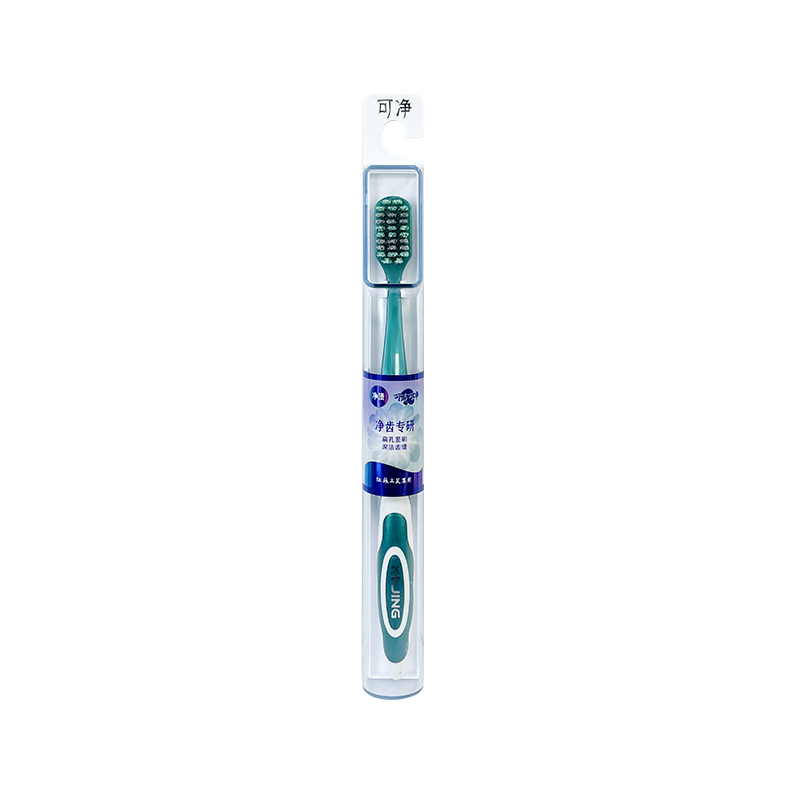
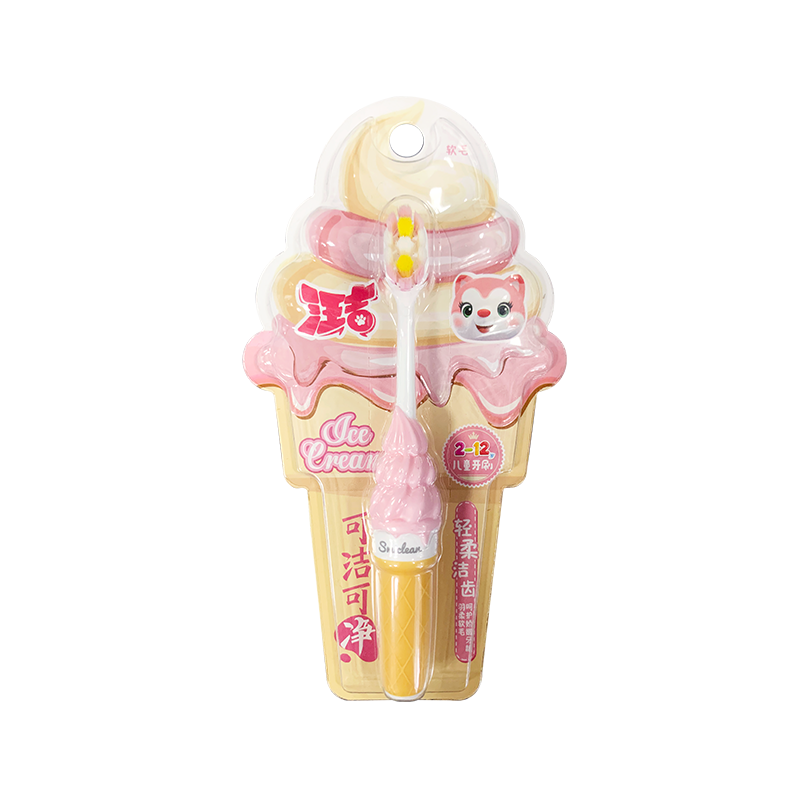
Our oral care toothbrush range shows how we structure those choices across head shapes, bristle types, and cleaning needs. If you are developing a private-label line, our OEM/ODM support can help you match bristle profile, handle design, and packaging to the market you serve.
Common Questions About Soft and Medium Toothbrushes
Is a soft toothbrush strong enough to remove plaque?
Yes. Soft bristles can remove plaque effectively when you brush gently and reach all surfaces. Firmness is not the same as cleaning power. Consistency, coverage, and time matter more than how stiff the brush feels.
Should I use a medium toothbrush if my gums are healthy?
You can consider one if you have healthy gums and a light touch, but it is not necessary for a clean mouth. Soft bristles remain the safer everyday default. If a medium brush causes tenderness, bleeding, or sensitivity, stop using it.
Do electric toothbrushes change the answer?
Not really. Electric toothbrush heads are often soft for good reason. The brush motion does much of the work, so stiff bristles are usually unnecessary. A pressure sensor can be helpful, but gentle technique still matters with any brush.
How often should I replace a soft toothbrush?
Replace it every three to four months, or sooner if the bristles are visibly bent or splayed. A worn brush does not clean as well, even if the bristles started out soft and comfortable.
We will provide a professional and reasonable quotation
as soon as possible for any customer inquiries.