English
 русский
 Español

Manual Toothbrushes: Everything You Need to Know Before Buying
Content
- 1 Are You Using the Right Manual Toothbrush for Your Teeth?
- 2 Why Manual Toothbrushes Still Hold Their Own
- 3 Breaking Down Bristle Types
- 4 Head Size and Shape: More Important Than You Think
- 5 Handle Design and Grip
- 6 Comparing Popular Manual Toothbrush Features
- 7 Proper Brushing Technique With a Manual Toothbrush
- 8 When to Replace Your Manual Toothbrush
- 9 Manual Toothbrushes for Specific Needs
- 10 Making the Most of Your Manual Toothbrush Investment
Are You Using the Right Manual Toothbrush for Your Teeth?
Most people grab a toothbrush off the shelf without giving it much thought. But the manual toothbrush you use every day has a bigger impact on your oral health than you might expect. From bristle stiffness to handle grip, every detail matters. This guide breaks down what you need to know to make a smarter, healthier choice — and get the most out of every brushing session.
Why Manual Toothbrushes Still Hold Their Own
Electric toothbrushes get a lot of attention, but manual toothbrushes remain the most widely used oral care tool in the world — and for good reason. They require no charging, no replacement brush heads that cost a fortune, and no learning curve. You can take them anywhere, use them without power, and replace them cheaply when the bristles wear out.
Studies have consistently shown that when used with proper technique, manual toothbrushes are just as effective as their electric counterparts at removing plaque and preventing gum disease. The key word is "technique." A high-quality manual toothbrush used correctly will outperform an electric toothbrush used carelessly every single time.
Breaking Down Bristle Types
The bristles are the most important part of any manual toothbrush. They do the actual cleaning, and choosing the wrong type can either leave your teeth under-cleaned or damage your gums and enamel over time.
Soft Bristles
Soft bristles are recommended by the American Dental Association (ADA) and most dental professionals. They are gentle enough to protect enamel and gum tissue while still being effective at dislodging plaque and food debris. If you tend to brush aggressively, soft bristles give you a natural buffer against damage.
Medium and Hard Bristles
Medium and hard bristles might feel like they're doing a more thorough job, but they can actually cause long-term harm. Over time, they erode enamel and irritate the gum line, leading to sensitivity and recession. Unless specifically recommended by your dentist for a particular reason, it's best to avoid them.
Extra-Soft and Ultrasoft Bristles
For people with sensitive gums, recent dental surgery, or conditions like gum disease, extra-soft or ultrasoft toothbrushes are an excellent option. They minimize discomfort while still maintaining adequate cleaning performance when paired with the right technique.
Head Size and Shape: More Important Than You Think
The head of your toothbrush determines how easily you can reach every surface of your teeth, especially the molars at the back of your mouth. A head that's too large will struggle to maneuver in tight spaces, leaving plaque behind in corners you simply can't access.
For most adults, a toothbrush head that is about one inch tall and half an inch wide is considered ideal. Compact heads are often better than standard ones because they offer superior maneuverability. Children's toothbrushes have much smaller heads designed specifically for smaller mouths — never let kids use adult brushes as substitutes.
Some toothbrush heads come with angled or contoured designs that claim to clean more surface area. These can be useful, but the real difference-maker is still the brushing technique rather than the shape alone.
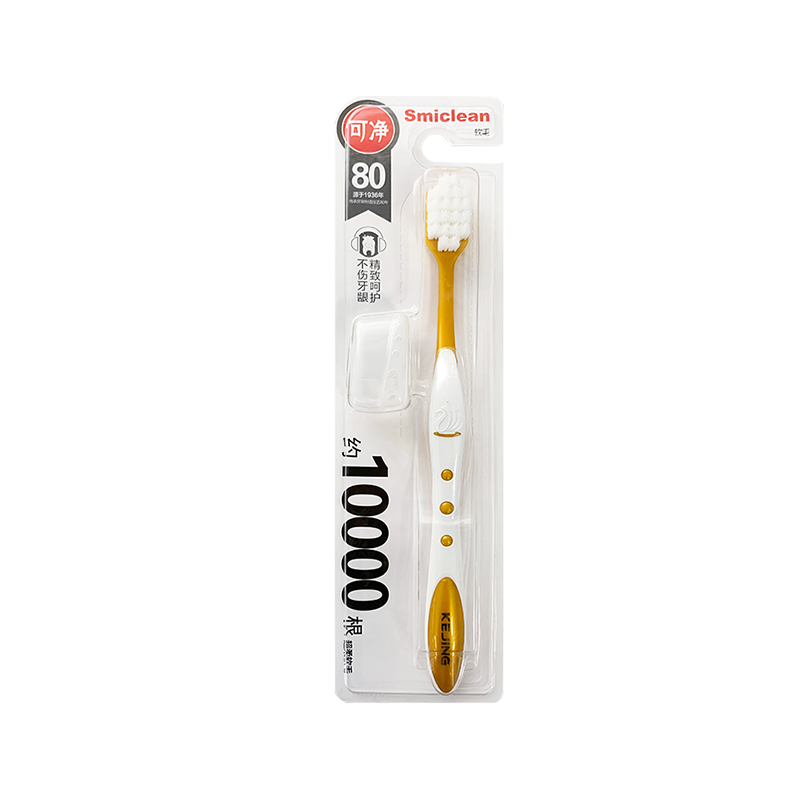
Handle Design and Grip
A good handle gives you control and prevents the excessive pressure that can damage gums. Here's what to look for:
- Non-slip grip: Rubber or textured handles help maintain control, especially when your hands are wet. This reduces the chance of applying too much pressure accidentally.
- Angled neck: A slightly angled neck between the head and handle makes it easier to reach back teeth without straining your wrist.
- Handle length: The handle should be long enough to hold comfortably but not so long that it becomes awkward to use inside your mouth.
- Flexible neck: Some toothbrushes feature a flexible neck that bends slightly under pressure, which can help protect gums from overbrushing.
Comparing Popular Manual Toothbrush Features
The table below compares key features to help you understand what to prioritize based on your specific needs:
| Feature | Best For | Avoid If |
| Soft Bristles | General daily use, sensitive gums | You need heavy stain removal |
| Compact Head | Small mouths, hard-to-reach areas | You prefer faster coverage |
| Angled Neck | Reaching back molars easily | You prefer a straight, minimal design |
| Rubber Grip Handle | Wet hands, arthritis, young children | You want a lightweight, slim toothbrush |
| Tongue Scraper on Back | Reducing bad breath | You already use a separate tongue cleaner |
Proper Brushing Technique With a Manual Toothbrush
Even the best toothbrush won't help you if your technique is off. Here's how to brush effectively:
- Hold the toothbrush at a 45-degree angle to your gum line. This allows bristles to clean both the tooth surface and just beneath the gum line simultaneously.
- Use gentle, short, circular or back-and-forth strokes. Avoid aggressive scrubbing — this is a common cause of enamel wear and gum recession.
- Brush for a full two minutes, covering all four quadrants of your mouth: upper right, upper left, lower right, and lower left — about 30 seconds each.
- Don't forget the inner surfaces of your teeth (the side facing your tongue), the chewing surfaces, and your tongue itself.
- Rinse your toothbrush thoroughly after each use and store it upright so it can air dry. Closed containers trap moisture and encourage bacterial growth.
When to Replace Your Manual Toothbrush
Dental professionals recommend replacing your manual toothbrush every three to four months, or sooner if the bristles become visibly frayed or splayed. Worn bristles lose their ability to clean effectively and may even scratch gum tissue.
You should also replace your toothbrush after recovering from an illness, particularly a cold, the flu, or a mouth infection. Bacteria and viruses can linger on bristles and potentially cause reinfection. It's a simple step that many people overlook.
A helpful tip: keep a spare toothbrush in your travel bag so you're never caught replacing your regular brush too soon just because you went on a trip.
Manual Toothbrushes for Specific Needs
Not all mouths are the same, and toothbrush manufacturers have developed specialized options for different situations:
- Orthodontic toothbrushes: Designed with a V-shaped bristle pattern to clean around brackets and wires on braces more effectively.
- End-tuft brushes: Small, single-tuft brushes ideal for cleaning around implants, crowns, bridges, and tight spaces between teeth.
- Toothbrushes for seniors: Feature larger, ergonomic handles that are easier to grip for those with arthritis or reduced dexterity.
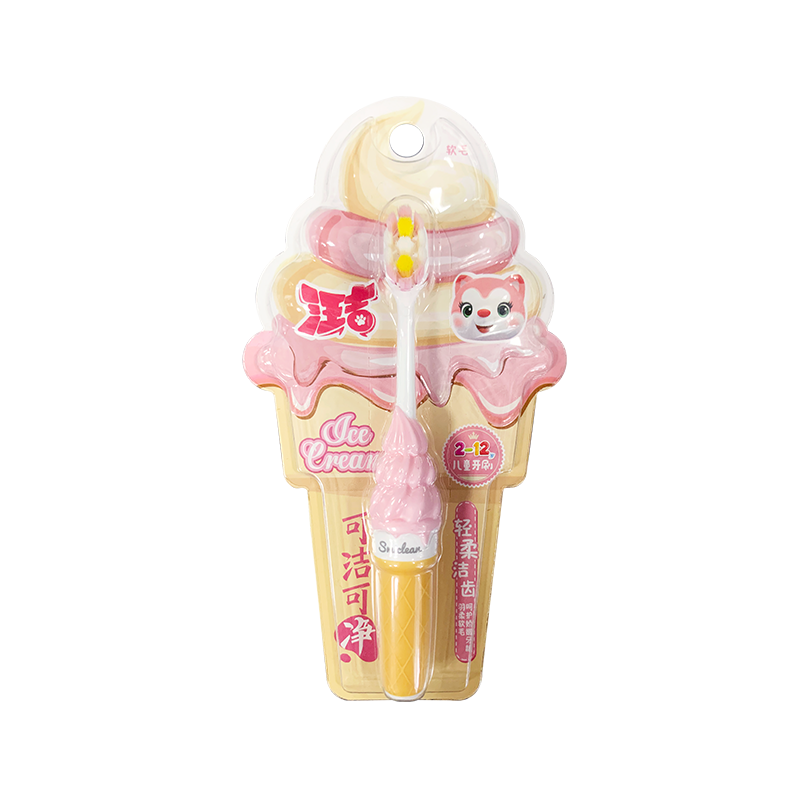
- Children's toothbrushes: Have smaller heads, softer bristles, and fun designs to encourage kids to brush consistently and correctly.
- Sensitive teeth toothbrushes: Feature ultrasoft or extra-fine bristles that minimize discomfort for those with exposed roots or enamel erosion.
Making the Most of Your Manual Toothbrush Investment
A manual toothbrush is one of the most cost-effective health investments you can make. Prices range from under a dollar for basic models to around five to ten dollars for premium options with ergonomic handles and specialized bristle designs. You don't need to spend a lot — what matters most is choosing the right type for your needs and using it consistently with proper technique.
Look for the ADA Seal of Acceptance when buying a toothbrush. This seal means the product has been independently tested and verified to be safe and effective. It's a quick way to filter out low-quality options and ensure you're making a solid choice.
Pair your manual toothbrush with fluoride toothpaste, daily flossing, and regular dental checkups, and you have a complete, proven oral care routine that protects your teeth and gums for the long term. The simplest tools, used well, are often the most powerful ones.

We will provide a professional and reasonable quotation
as soon as possible for any customer inquiries.