English
 русский
 Español

How many times can you use a dental floss stick?
Content
- 1 Understanding Dental Floss Sticks and Their Lifespan
- 2 The Official Recommendation: Single-Use Only
- 3 Why People Consider Reusing Floss Sticks
- 4 Health Risks Associated with Reusing Floss Sticks
- 5 Signs That a Floss Stick Should Never Be Reused
- 6 The Reality of Multiple Uses Within a Single Flossing Session
- 7 Cost-Effective and Environmentally Friendly Alternatives
- 8 Proper Disposal and Hygiene Practices
- 9 Making the Right Choice for Your Oral Health
Understanding Dental Floss Sticks and Their Lifespan
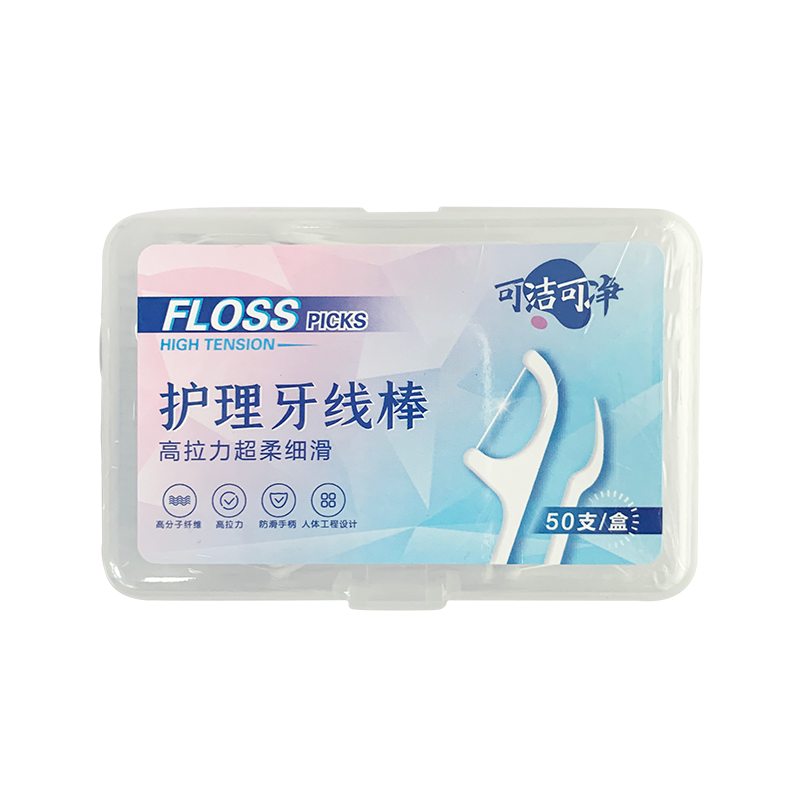
Dental floss sticks, also known as floss picks, have become increasingly popular as a convenient alternative to traditional string floss. These handheld devices feature a small piece of floss stretched between two prongs, making it easier to reach back teeth and maintain oral hygiene on the go. However, one of the most common questions users ask is whether these tools can be reused or if they're strictly single-use items. The answer isn't as straightforward as you might think, and understanding the proper usage can significantly impact both your oral health and wallet.
The manufacturer's recommendation for dental floss sticks is typically single-use. This means that after you've cleaned between all your teeth, the floss stick should be discarded. This guideline exists for several important reasons related to hygiene, effectiveness, and safety. However, the reality of how people use these products often differs from the official recommendations, leading to questions about the practical limits of reusing these convenient tools.
The Official Recommendation: Single-Use Only
Dental professionals and manufacturers universally recommend using each dental floss stick only once before disposal. This recommendation is based on multiple factors that affect both the efficacy of the cleaning process and your overall oral health. When you use a floss stick, it collects bacteria, food particles, and plaque from between your teeth. Reusing the same stick means potentially redistributing these harmful substances back into your mouth during subsequent uses.
The American Dental Association emphasizes that flossing should remove debris and plaque, not spread it around. Once a floss stick has been used, the floss portion becomes contaminated with oral bacteria, including potentially harmful species like Streptococcus mutans and Porphyromonas gingivalis. These bacteria can multiply on the used floss stick, especially if it's stored in a moist bathroom environment, creating a potential vehicle for reintroducing bacteria into your mouth.
Why People Consider Reusing Floss Sticks
Despite official recommendations, many people contemplate or actually do reuse dental floss sticks for various reasons. Understanding these motivations helps address the underlying concerns while promoting better oral hygiene practices.
- Economic considerations: Dental floss sticks can be expensive when used daily and discarded after each use, leading some users to seek ways to extend their value
- Environmental concerns: Single-use plastic products contribute to waste, and environmentally conscious consumers may feel guilty about daily disposal
- Convenience: When traveling or in situations where replacement sticks aren't readily available, reusing becomes tempting
- Perceived durability: The floss and plastic handle often appear intact after one use, leading people to believe they can be used again
Health Risks Associated with Reusing Floss Sticks
Reusing dental floss sticks carries several potential health risks that outweigh any perceived benefits. Understanding these risks is crucial for making informed decisions about your oral hygiene routine.
Bacterial Contamination and Reintroduction
The primary concern with reusing floss sticks is bacterial contamination. After the first use, the floss becomes a breeding ground for oral bacteria. Studies have shown that bacteria can survive on dental instruments for extended periods, especially in humid environments like bathrooms. When you reuse a contaminated floss stick, you're essentially reintroducing these bacteria into different areas of your mouth, potentially spreading harmful microorganisms from one tooth surface to another or even from above the gumline to below it, where they can cause more serious problems.
Reduced Cleaning Effectiveness
Used floss sticks become less effective at removing plaque and debris. The floss portion can become frayed, stretched, or coated with residue from the previous use, reducing its ability to properly clean between teeth. Additionally, the tension in the floss may decrease after initial use, making it less capable of performing the gentle sawing motion necessary for effective plaque removal. This diminished effectiveness means you might think you're maintaining good oral hygiene when you're actually leaving harmful plaque behind.
Physical Damage to Gums
Frayed or weakened floss from a reused stick can actually cause more harm than good. Damaged floss is more likely to catch on teeth, snap unexpectedly, or create rough edges that can irritate or cut delicate gum tissue. Fresh floss glides smoothly between teeth, while used floss may require more force, increasing the risk of trauma to the gums and potentially leading to inflammation, bleeding, or recession over time.
Signs That a Floss Stick Should Never Be Reused
If you're considering reusing a floss stick despite recommendations against it, certain clear indicators should absolutely prevent reuse. Recognizing these signs is essential for maintaining basic hygiene standards.
| Warning Sign | Why It Matters |
| Visible food particles or debris | Indicates contamination that will spread bacteria |
| Frayed or broken floss | Cannot effectively clean and may damage gums |
| Loss of floss tension | Reduces cleaning effectiveness significantly |
| Discoloration of the floss | Shows buildup of plaque and bacteria |
| Blood on the floss or pick | Creates biohazard and infection risk |
| Damaged or bent handle | Affects ability to properly position and use the floss |
The Reality of Multiple Uses Within a Single Flossing Session
It's important to distinguish between reusing a floss stick on different days versus using it multiple times during a single flossing session. While using the same stick throughout one complete flossing routine is standard practice, some confusion exists about whether you should use different sticks for different areas of your mouth during the same session.
During a single flossing session, it's perfectly acceptable and expected to use the same floss stick to clean between all your teeth. You should work systematically around your mouth, cleaning each interdental space once. However, some dental professionals recommend rinsing the floss stick under running water if it becomes heavily loaded with debris during the session, though this is a temporary measure within the same use, not an endorsement of reusing the stick on another occasion.
Cost-Effective and Environmentally Friendly Alternatives
If cost or environmental impact concerns are driving you to consider reusing floss sticks, several better alternatives exist that address these issues without compromising oral health.
Traditional String Floss
Traditional dental floss in dispensers is significantly more economical than floss sticks. A single container can provide months of daily flossing at a fraction of the cost per use. While it requires slightly more dexterity to use effectively, most people can master the technique with practice. String floss also generates less plastic waste since you're only disposing of the used floss strand, not an entire plastic handle each time.
Reusable Floss Holders
Reusable floss holders offer a middle ground between disposable floss sticks and traditional string floss. These devices feature a permanent handle with a replaceable floss section. You can thread new floss through the holder for each use, maintaining hygiene while reducing plastic waste and long-term costs. The handle can be washed and sanitized between uses, providing the convenience of a floss stick without the environmental impact.
Water Flossers
Water flossers represent a more substantial investment upfront but can be highly cost-effective over time. These devices use pressurized water to clean between teeth and require no disposable components beyond occasional tip replacements. They're particularly useful for people with braces, dental work, or dexterity issues that make traditional flossing difficult.
Proper Disposal and Hygiene Practices
If you do use disposable floss sticks, proper disposal is important for both hygiene and environmental reasons. After use, floss sticks should be wrapped in tissue or placed directly in a waste bin with a lid. Don't leave used floss sticks on bathroom counters where they can harbor and spread bacteria. In shared living situations, proper disposal is especially important to prevent cross-contamination.
Some users attempt to sanitize floss sticks for reuse by rinsing them with mouthwash or hot water, or even placing them in dishwashers or UV sanitizers. However, these methods are not recommended by dental professionals. The floss material itself degrades with use and cannot be effectively restored, and plastic handles may harbor bacteria in microscopic crevices that standard cleaning methods cannot reach. No amount of cleaning can restore a used floss stick to the hygienic condition of a new one.
Making the Right Choice for Your Oral Health
The bottom line is clear: dental floss sticks are designed for single-use, and this recommendation is based on sound scientific and medical reasoning. While the plastic handle may physically withstand multiple uses, the floss portion becomes contaminated and less effective after the first use. Reusing floss sticks, even just once, can compromise your oral health by spreading bacteria and reducing cleaning effectiveness.
If budget or environmental concerns make single-use floss sticks impractical for you, exploring alternatives like traditional string floss, reusable floss holders, or water flossers is a far better solution than attempting to reuse disposable floss sticks. Your oral health is an investment in your overall wellbeing, and choosing the right flossing method is an important part of that investment. By using flossing tools as intended and maintaining good oral hygiene practices, you'll protect your teeth and gums while avoiding the potential complications that come from cutting corners with contaminated or degraded flossing equipment.
Remember that effective flossing is about quality, not just frequency. Using a fresh, clean flossing tool correctly once per day is far more beneficial than using a contaminated or damaged tool multiple times. When in doubt about any aspect of your oral hygiene routine, consult with your dentist or dental hygienist, who can provide personalized recommendations based on your specific dental needs and circumstances.
We will provide a professional and reasonable quotation
as soon as possible for any customer inquiries.