English
 русский
 Español

Children's Toothbrushes: How to Choose Soft Bristles, Size, Safety & Age Guide
Content
Choose Soft Bristles First, Then the Fun Features
If you take only one thing away from this guide, make it this: the bristles matter more than the character on the handle. Children’s enamel and gum tissue are thinner and more sensitive than adult tissue, so a brush that cleans well without scrubbing too hard should be your top priority. A soft-bristled brush with polished, round-ended filaments is the right starting point for almost every child.
Three practical checks cover most of the decision:
- Brush head size: The head should comfortably reach the back molars. A good rule of thumb is that it should cover about two to three teeth, not more.
- Handle design: A non-slip grip helps children control the brush, especially when they start brushing by themselves.
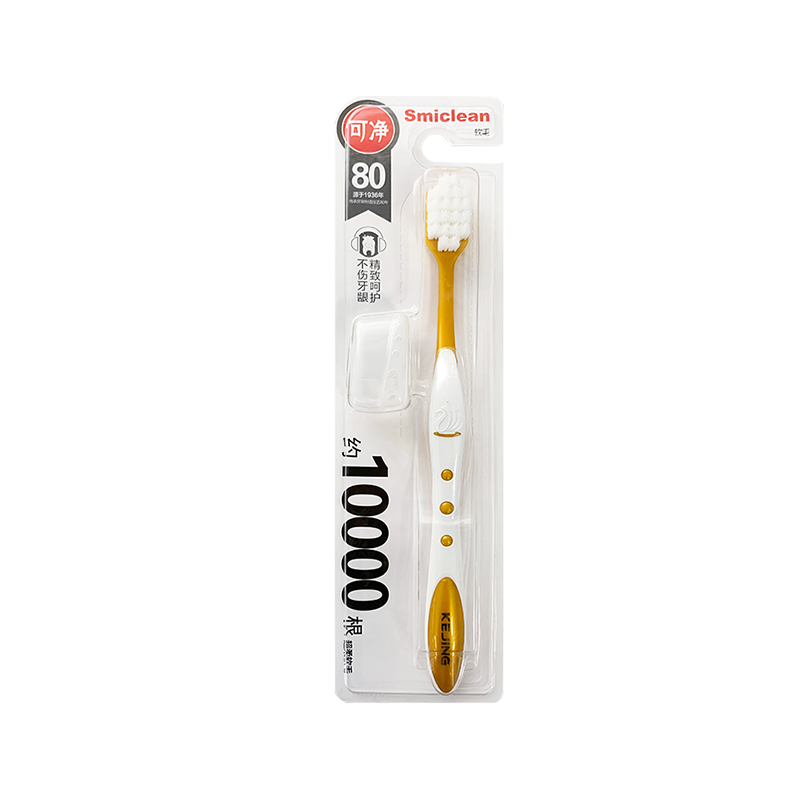
- Bristle quality: Soft and polished bristles reduce the risk of gum irritation while still removing plaque effectively.
Why be so particular? Children’s gum tissue is softer and more vascular than adult tissue, so a stiff brush can cause micro-irritation that makes brushing uncomfortable. Once a child feels pain, the routine becomes a battle. Starting with soft bristles avoids that problem from day one.
If you are comparing options in the children’s toothbrush category on a manufacturer’s site, check the product description for bristle type and brush head dimension. This information is just as relevant as the colour of the handle.
Match the Brush to the Child’s Age
Age is not just a label; it is a proxy for mouth size, motor skills, and tolerance for brushing. The right brush for a 3-year-old is different from the right brush for a 10-year-old.
Age 2 to 6: keep the head small and the grip short
During this phase, parents still need to help with brushing, so the brush should feel comfortable in an adult’s hand while not intimidating a child. A short handle prevents over-insertion into the mouth, and a small head makes it easier to brush the back molars without triggering a gag reflex.
Age 6 to 12: slightly larger head, still soft bristles
As the permanent molars come in, a slightly larger head helps clean the wider dental arches. Keep the bristles soft to protect newly erupted teeth and maturing gums. The handle can be longer, but a non-slip grip remains useful.
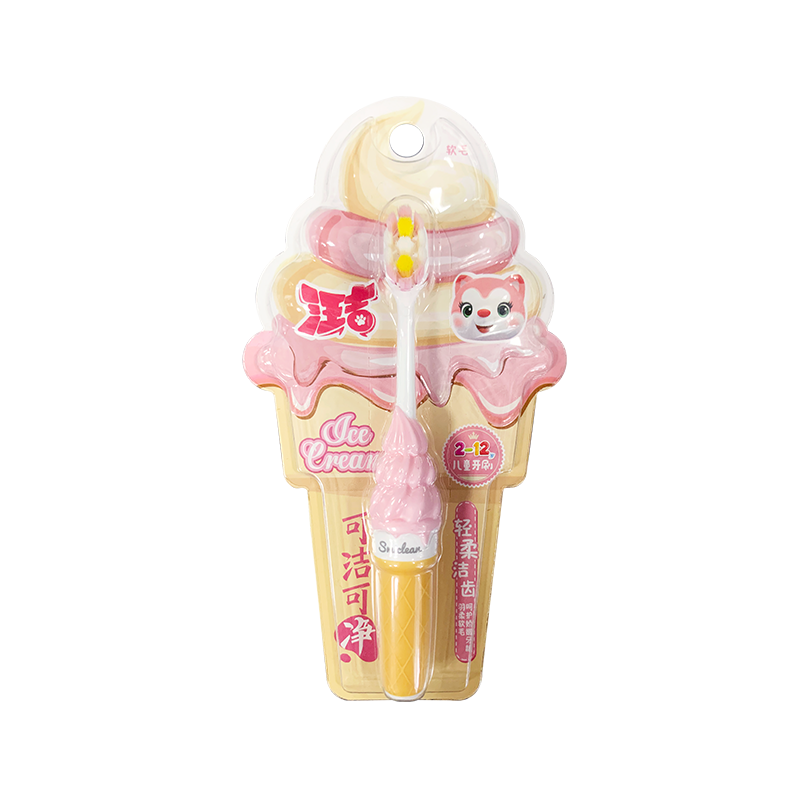
If you prefer one model that adapts across the 2-12 age range, the ice-cream shaped children’s toothbrush is a convenient choice because its compact head and soft bristles are sized for young mouths, while the non-slip handle works for both child-led and parent-assisted brushing.
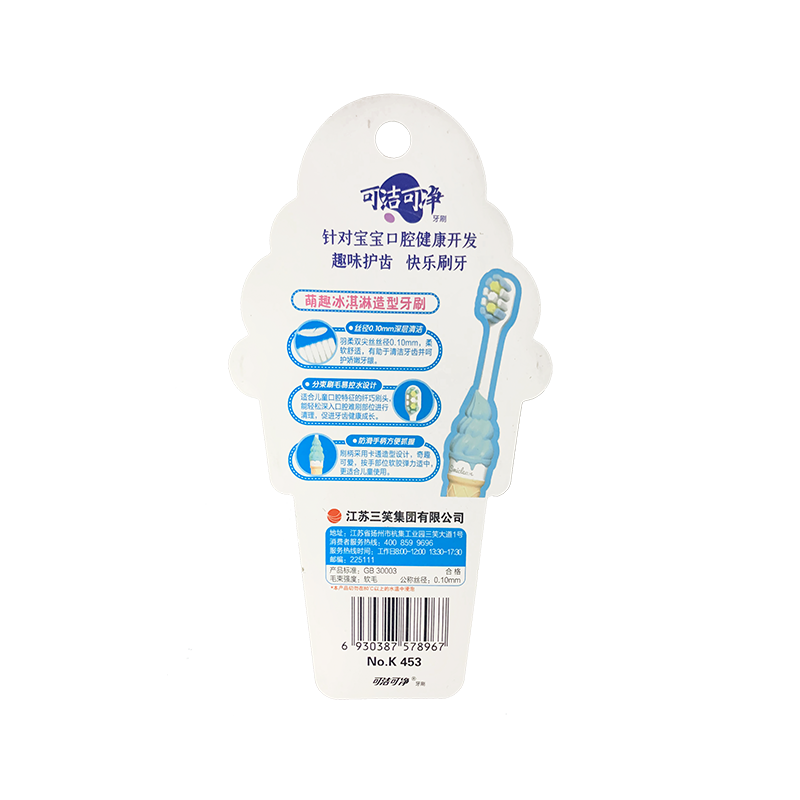 Custom 2-12 Years Old Ice Cream Shape Teeth Cleaning Children Toothbrush SupplieJiangsu Sanxiao Group Co., Ltd. is China Custom OEM/ODM 2-12 Years Old Ice Cream Shape Teeth Cleaning Children Toothbrush Suppliers and F...View Product →
| Age group | Brush head | Bristles | Handle |
|---|---|---|---|
| 2-6 years | Covers about two teeth | Soft, polished | Short with non-slip grip |
| 6-12 years | Covers about two to three teeth | Soft | Medium length, wider grip |
For children under three, an adult should do the brushing or closely supervise, and only a smear of toothpaste should be used. From three to six, a pea-sized amount is the standard advice.
Check Safety and Material Details
Children’s toothbrushes are manufactured to different safety standards than adult brushes because they spend more time in contact with sensitive gum tissue. Two things are worth verifying before buying or approving a production order.
Bristle end-rounding matters
Soft bristles are not enough; the ends of those bristles should be rounded. Polished, round-ended filaments are much less likely to scratch or inflame gums. This is one of the first details our factory checks on any new child brush model.
What about plastic and printing?
Parents often ask about the plastic in the handle. Reputable manufacturers use food-grade polypropylene and non-toxic printing inks, and the same materials are used for the child brush handles we produce. If you are sourcing for a brand, request material certificates and migration test reports before approving samples.
Manual or electric: choose according to the child’s coordination
Manual brushes are enough for most children if the adult supervises the technique. Electric brushes can help when a child is reluctant or lacks the dexterity to brush thoroughly, but an electric brush adds cost and requires charging or battery replacement.
For bulk buyers, these details are part of routine quality control rather than optional extras. The ISO and GMP certified production environment used in our factory is one example of the kind of verification buyers can rely on when sourcing children’s toothbrushes in volume.
Pair the Brush with the Right Toothpaste
A good children’s toothbrush works as part of a full routine, and the right toothpaste matters just as much. Toothpaste formulas are often divided by age group because swallowing risk and dental needs change as children grow.
For children aged 2 to 6, the vitamin-C fortified children’s toothpaste for 2 to 6 years old is a gentle formula that complements a soft brush. In the same way, the strawberry-flavored xylitol children’s toothpaste for 6 to 12 years old helps reduce cavity risk while making brushing more acceptable to picky eaters.
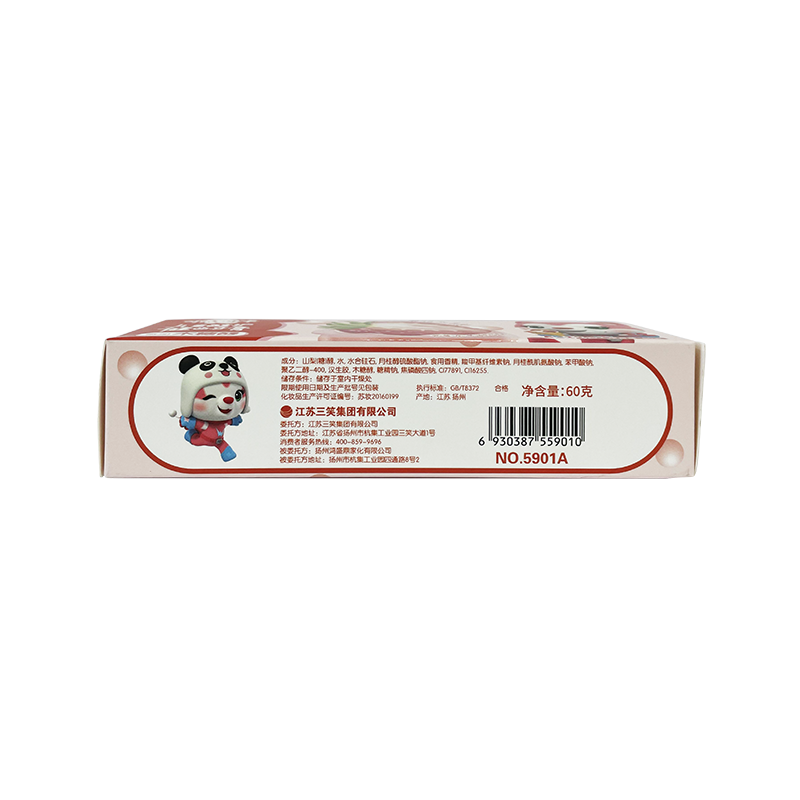 Custom 6-12 Years Old Strawberry Flavor Healthy Teeth Contains Xylitol Children Jiangsu Sanxiao Group Co., Ltd. is China Custom OEM/ODM 6-12 Years Old Strawberry Flavor Healthy Teeth Contains Xylitol Children Toothpas...View Product →
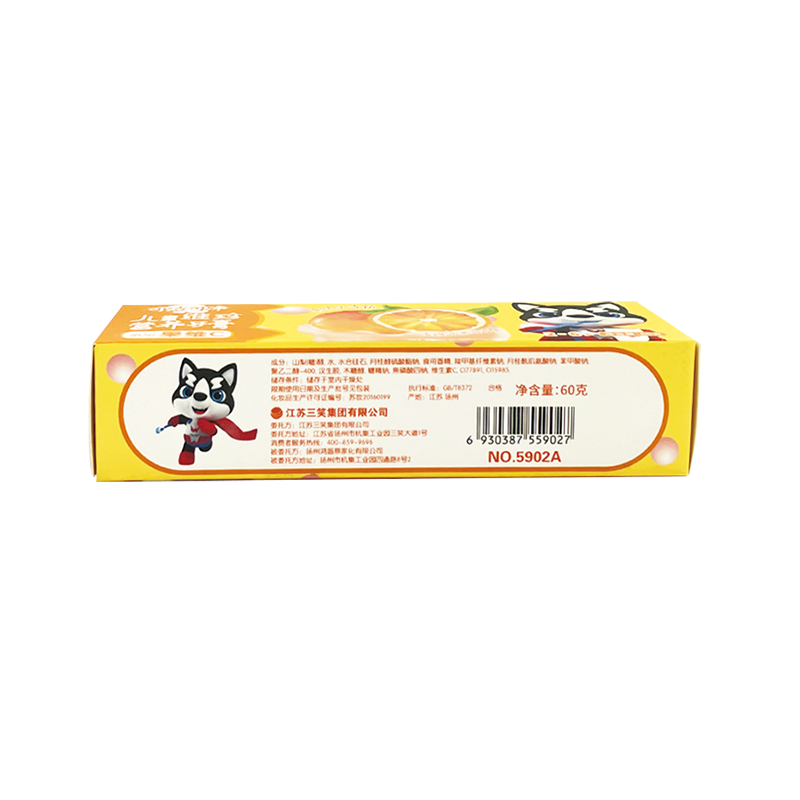 Custom 2-6 Years Old Children Nutrition Added Vitamin C Children Toothpaste SuppJiangsu Sanxiao Group Co., Ltd. is China Custom OEM/ODM 2-6 Years Old Children Nutrition Added Vitamin C Children Toothpaste Suppliers an...View Product →
Both options are part of the broader oral care product range, which also includes adult toothpastes, dental floss, and interdental brushes as your child’s routine grows.
Keep the Routine Simple and Replace on Schedule
The best children’s toothbrush is one that actually gets used. Keep the experience simple: let the child pick a handle they like, use a small amount of toothpaste, and stay involved until they develop consistent technique.
Replacement frequency is where many routines fall apart. The general guidance is every three months, or sooner if the bristles look bent or if the child has been sick. If you want the longer version, the replacement frequency guide covers the same practical timeline for both child and adult brushes.
Storage also affects the brush’s life. Rinse the brush after use, shake off excess water, and stand it upright in an open cup. Do not let siblings share brushes; a simple colour-coding system or separate cup helps prevent mix-ups.
For Brands: Work with a Factory That Understands Children’s Brushes
If you are a brand owner or a purchasing manager, the buying criteria change. You are not just picking a brush for one child; you are standardising quality, safety, and cost across thousands of units. That is why the factory’s design capability, tooling, and control process matter as much as the bristle type.
With two decades of toothbrush production history and a dedicated R&D team, our factory handles OEM and ODM projects that include brush head shape, bristle configurations, handle ergonomics, and packaging. The customized service process starts with a brief and ends with validated samples before mass production. For a small part with many technical details, that level of control makes the difference.
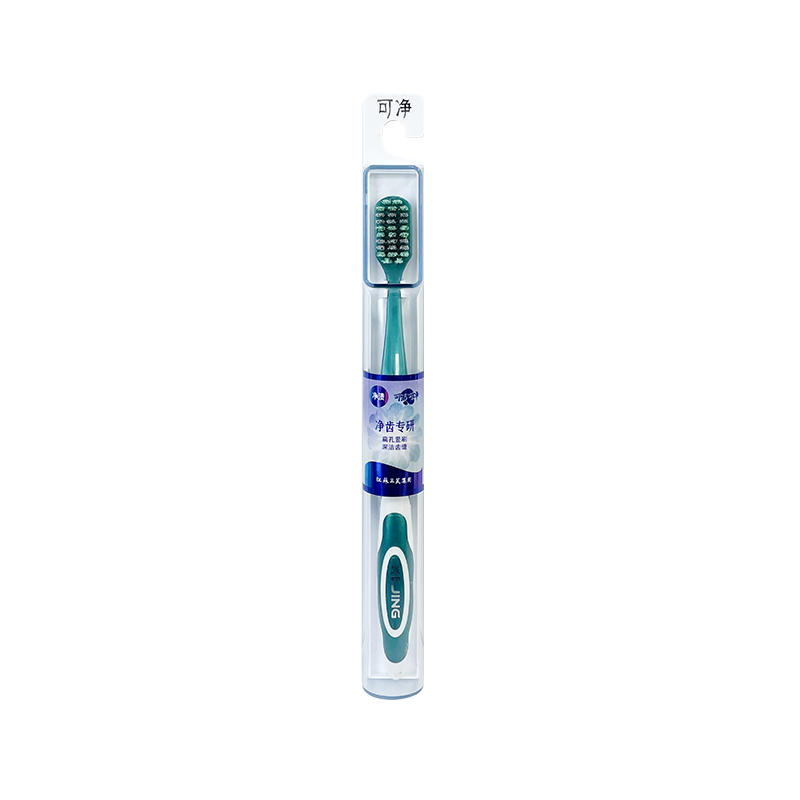
We will provide a professional and reasonable quotation
as soon as possible for any customer inquiries.