English
 русский
 Español

How Do You Choose the Right Sanitary Pad for Comfort and Protection?
Content
Understanding How Sanitary Pads Work
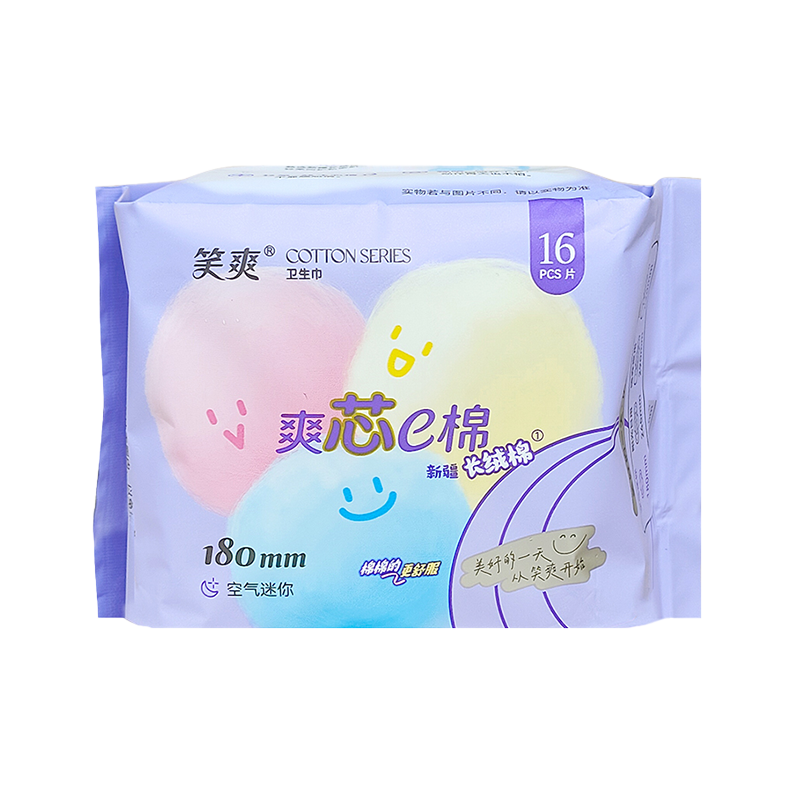
Sanitary pads are absorbent products worn inside underwear to collect menstrual flow, designed with multiple layers that each serve a specific function. The top layer, which sits against the skin, is typically made from a soft, non-woven material that allows liquid to pass through quickly while staying dry to the touch. Beneath this sits an absorbent core, often made from cellulose fibers, superabsorbent polymers, or a combination of both, which locks in liquid and minimizes the chance of leakage. The bottom layer is a moisture-resistant backing that prevents fluid from passing through to clothing, while adhesive strips on the underside keep the pad securely positioned in underwear throughout the day.
Understanding this basic structure helps explain why some pads feel different from others in terms of thickness, breathability, and absorbency, and why selecting the right type for your flow and activity level matters for both comfort and protection.
Matching Pad Type to Flow and Activity Level
Sanitary pads are generally categorized by absorbency level and length, and choosing the right combination depends on flow intensity, time of day, and planned activities. The table below outlines common categories.
| Pad Type | Best For | Typical Wear Time |
| Light or Liner | Spotting, end of cycle, daily backup | 3 to 4 hours |
| Regular | Moderate daytime flow | 4 to 5 hours |
| Heavy or Super | Heavy flow days, first days of period | 3 to 4 hours |
| Overnight | Extended wear during sleep | Up to 8 hours |
Overnight pads are typically longer with extended back coverage to reduce the risk of leakage while lying down, while daytime pads prioritize a slimmer profile for comfort under regular clothing. Many people use a combination of pad types throughout a single cycle, switching to higher absorbency options during the heaviest days and lighter options as flow decreases.
Comparing Pad Materials
Material choice affects breathability, absorbency, and how a pad feels against the skin over extended wear.
Conventional Pads
Most mainstream pads use a combination of synthetic non-woven top sheets and superabsorbent polymer cores, which provide high absorbency in a relatively thin design. These materials are effective at pulling moisture away from the skin quickly, which helps maintain a dry feeling throughout wear.
Cotton and Organic Pads
Pads made with certified organic cotton top sheets are often chosen by people with sensitive skin or those who prefer to avoid synthetic fibers and certain chemical additives in direct contact with the body. These pads may feel softer against the skin, though they sometimes have a slightly different absorbency profile compared to synthetic alternatives, so checking the labeled absorbency level remains important regardless of material preference.
Tips for Comfortable, Healthy Use
Beyond choosing the right pad, how it is used throughout the day plays a significant role in comfort and skin health.
- Change pads every four to eight hours depending on flow and pad type, even on lighter days, to reduce moisture buildup and bacterial growth against the skin.
- Choose breathable, fragrance-free options if you experience irritation, since added fragrances and certain dyes can trigger sensitivity in some users.
- Select a pad length and width that matches your underwear style and body shape to minimize shifting and reduce the chance of leaks at the edges.
- Wash the surrounding skin with mild, unscented soap and water during pad changes to maintain hygiene without disrupting natural skin balance.
- Keep a few spare pads of varying absorbency on hand, since flow intensity can change unpredictably throughout a cycle.
Proper Disposal Practices
Used pads should be wrapped before disposal, often using the wrapper from a new pad or a small bag, to maintain hygiene and discretion. Most manufacturers recommend disposing of pads in regular household waste rather than flushing them, since pads are not designed to break down in plumbing systems and can cause clogs or sewage system damage. Public restrooms typically provide designated disposal bins for this purpose, and using them rather than regular trash bins when available helps maintain cleanliness for other users.
When to Consider Alternatives or Consult a Professional
While sanitary pads work well for most people, persistent skin irritation, unusual odor, or discomfort despite trying different pad materials and absorbency levels may indicate sensitivity to a specific product or, in some cases, an underlying condition that warrants medical attention. Soaking through a maximum absorbency pad every hour or experiencing flow that consistently disrupts daily activities are also signs worth discussing with a healthcare provider, since these patterns may benefit from further evaluation rather than simply switching pad brands.
This is general information and not a substitute for personalized medical advice. If you have ongoing concerns about your menstrual flow or skin reactions to hygiene products, consulting a healthcare provider can help identify the best options for your individual needs.
We will provide a professional and reasonable quotation
as soon as possible for any customer inquiries.