English
 русский
 Español

How Do Dental Floss Sticks Compare to Traditional Floss for Everyday Oral Care?
Content
What Are Dental Floss Sticks
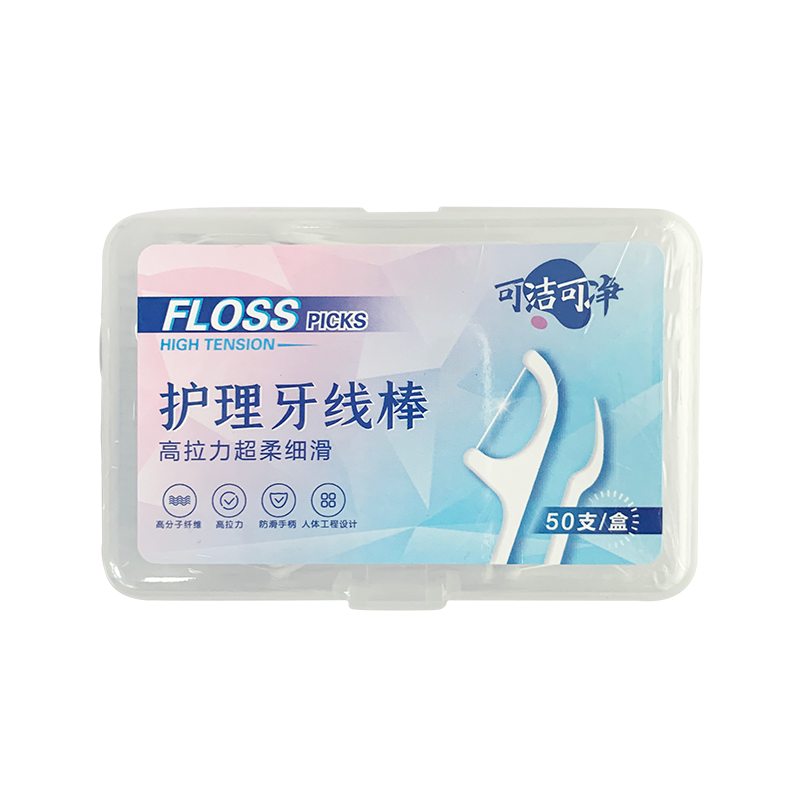
Dental floss sticks, also known as floss picks, are small handheld devices designed to make interdental cleaning quicker and more convenient than traditional spool floss. Each stick consists of a plastic handle with a short strand of floss stretched across a Y-shaped or F-shaped frame at one end. This design allows users to reach between teeth without wrapping floss around their fingers, making the process easier for people of all ages, including children, seniors, and individuals with limited dexterity.
Unlike traditional floss, which requires two hands and a fair amount of coordination, floss sticks can be used with a single hand and offer a more controlled angle for accessing back molars. This practical design has made them a popular choice for on-the-go oral care, travel kits, and daily use at home or in the office.
How Dental Floss Sticks Work
The taut strand of floss on each stick is engineered to slide gently between teeth, removing food particles, plaque, and bacteria that a toothbrush cannot reach. Most sticks also include a pointed tip on the opposite end of the handle, which can be used to dislodge larger food debris or gently massage the gumline. The rigid handle provides leverage and stability, allowing users to apply consistent pressure without the floss slipping or breaking mid-use.
Because the floss strand is pre-measured and fixed in place, there is no need to cut or measure floss length before each use, which reduces waste and speeds up the daily flossing routine.
Benefits Over Traditional String Floss
While both traditional floss and floss sticks aim to achieve the same result, floss sticks offer several practical advantages that make them appealing for everyday use:
- Easier handling for children, elderly users, or those with arthritis or limited hand mobility
- Compact and portable, making them convenient for travel, work, or storage in a bag
- Reduced risk of gagging since the rigid handle keeps fingers out of the mouth
- Consistent tension on the floss strand, which can make cleaning between tight teeth more comfortable
- Faster to use, which encourages more consistent daily flossing habits
These benefits explain why dental professionals often recommend floss sticks as an entry point for patients who struggle to maintain a consistent flossing routine with traditional string floss.
Types of Dental Floss Sticks
Not all floss sticks are built the same way. Manufacturers offer different designs and materials to suit specific oral care needs, as summarized in the table below.
TypeKey FeatureBest ForStandard Floss PicksBasic Y-shaped design with flat flossEveryday general useWaxed Floss SticksCoated strand that glides more smoothlyTight or crowded teethFloss Sticks with FluorideInfused with fluoride coatingUsers prone to cavitiesOrthodontic Floss SticksReinforced tip for braces and wiresBraces or dental appliances
Choosing the correct type depends on individual dental needs, such as tooth spacing, sensitivity, or the presence of orthodontic hardware.
How to Use Dental Floss Sticks Correctly
Step-by-Step Technique
To get the most benefit from a floss stick, gently guide the floss strand between two teeth using a slight back-and-forth motion rather than snapping it into place, which can injure the gums. Once between the teeth, curve the floss into a C-shape against one tooth surface and slide it up and down before repeating the motion on the neighboring tooth. Move to a clean section of floss or a new stick for each area to avoid transferring bacteria between different parts of the mouth.
Frequency and Timing
Dental professionals generally recommend flossing at least once a day, ideally before brushing at night. This sequence allows fluoride from toothpaste to reach areas between teeth that have just been cleared of plaque and debris, maximizing the preventive benefits of both steps.
Common Mistakes to Avoid
Even with a simple tool like a floss stick, improper technique can reduce effectiveness or cause harm. Common mistakes include forcing the floss too aggressively into tight spaces, which can damage gum tissue, and reusing the same stick across multiple areas of the mouth without rinsing it. Skipping back molars because they are harder to reach is another frequent issue, even though these teeth are often the most prone to plaque buildup due to their location and chewing surface texture.
Choosing the Right Floss Sticks for Your Needs
When selecting floss sticks, consider the spacing between your teeth, any sensitivity issues, and whether you wear braces or other dental appliances. Individuals with tightly spaced teeth may benefit from thinner, waxed strands, while those with wider gaps might prefer a slightly thicker floss for more effective cleaning contact. Checking for a seal of acceptance from a recognized dental association can also help confirm that a product meets safety and effectiveness standards.
Environmental Considerations
Because floss sticks are typically made from single-use plastic, environmentally conscious consumers may want to look for brands offering biodegradable handles or recyclable packaging. Some manufacturers now produce floss sticks from plant-based materials such as bamboo or cornstarch-derived plastics, which break down more readily than conventional petroleum-based plastic. Buying in bulk packaging rather than individually wrapped sticks can also reduce overall plastic waste without sacrificing convenience.

We will provide a professional and reasonable quotation
as soon as possible for any customer inquiries.